
Seeing your check engine light suddenly illuminate on your dashboard can be concerning. Whether you’re driving to work, running errands, or heading out on a road trip, that small warning light can leave you wondering if your vehicle is safe to drive.
The truth is that there are many different check engine light causes, ranging from minor issues to serious engine problems. Understanding what triggers this warning can help you make informed decisions and prevent costly repairs down the road.
In this guide, we’ll explain the most common reasons your check engine light may turn on, how to identify potential problems, and when it’s time to schedule a professional inspection.
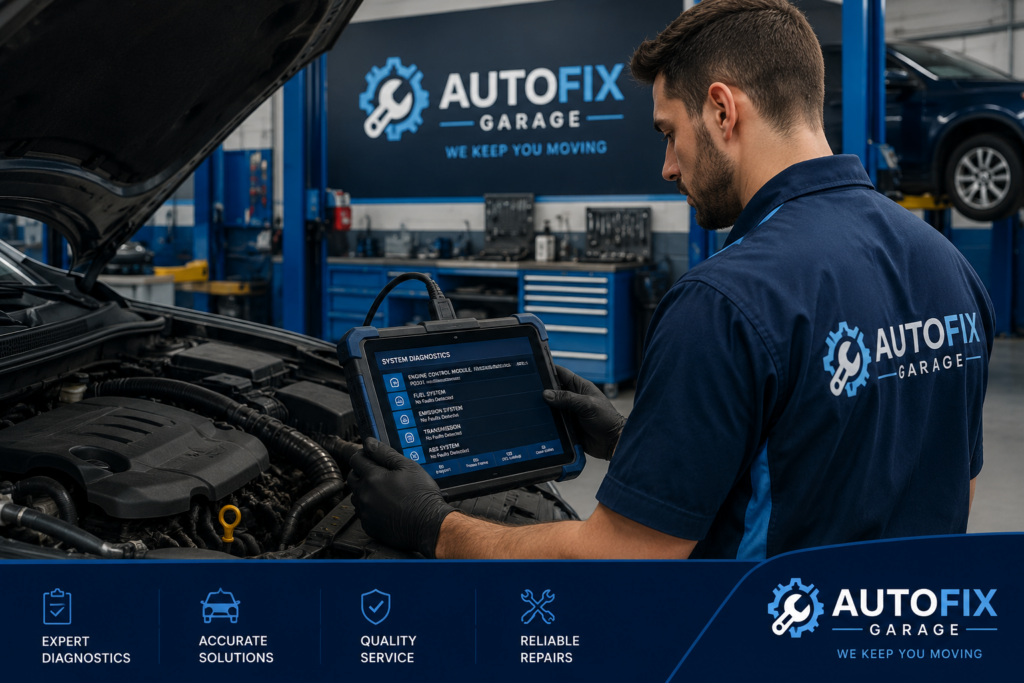
What Is the Check Engine Light?
The check engine light is part of your vehicle’s onboard diagnostic system. Modern vehicles use sensors and computer systems to monitor engine performance, emissions, fuel delivery, and other critical functions.
When the system detects a problem, it stores a diagnostic trouble code and activates the check engine light on your dashboard.
The warning light may appear in different ways:
- Solid check engine light
- Flashing check engine light
- Check engine message on digital displays
A solid light often indicates a less urgent issue, while a flashing light usually signals a more serious problem that requires immediate attention.
Common Check Engine Light Causes
Let’s explore the most common check engine light causes drivers experience.
1.Loose or Damaged Gas Cap
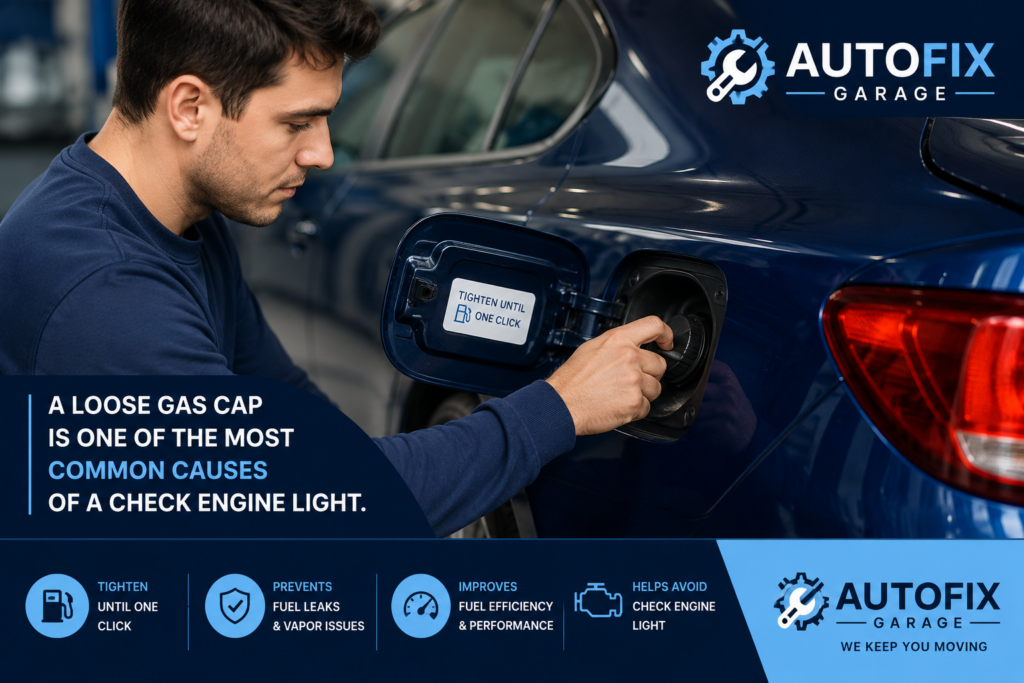
One of the simplest reasons for a check engine light is a loose gas cap.
The fuel system in your vehicle is designed to maintain proper pressure. If the gas cap is loose, cracked, or missing, fuel vapors may escape and trigger the warning light.
Signs:
- Check engine light appears after refueling
- Fuel smell around the vehicle
- Reduced fuel efficiency
Solution:
Inspect the gas cap and ensure it is tightened properly. If the cap is damaged, replace it with a new one.
2.Faulty Oxygen Sensor
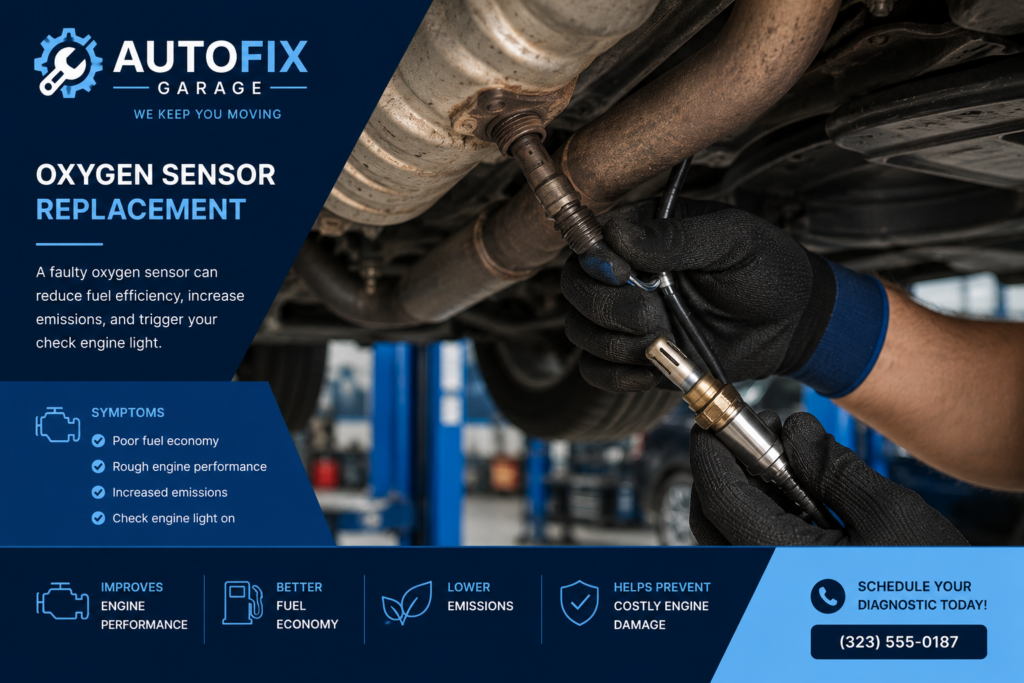
The oxygen sensor monitors the amount of oxygen in your vehicle’s exhaust system. This information helps the engine adjust the air-fuel mixture for optimal performance.
A faulty oxygen sensor is among the most common check engine light causes.
Symptoms:
- Poor fuel economy
- Rough engine performance
- Increased emissions
- Failed emissions testing
Why It Matters:
Ignoring a faulty oxygen sensor can lead to damage to other engine components and reduced vehicle efficiency.
3.Failing Spark Plugs or Ignition Coils
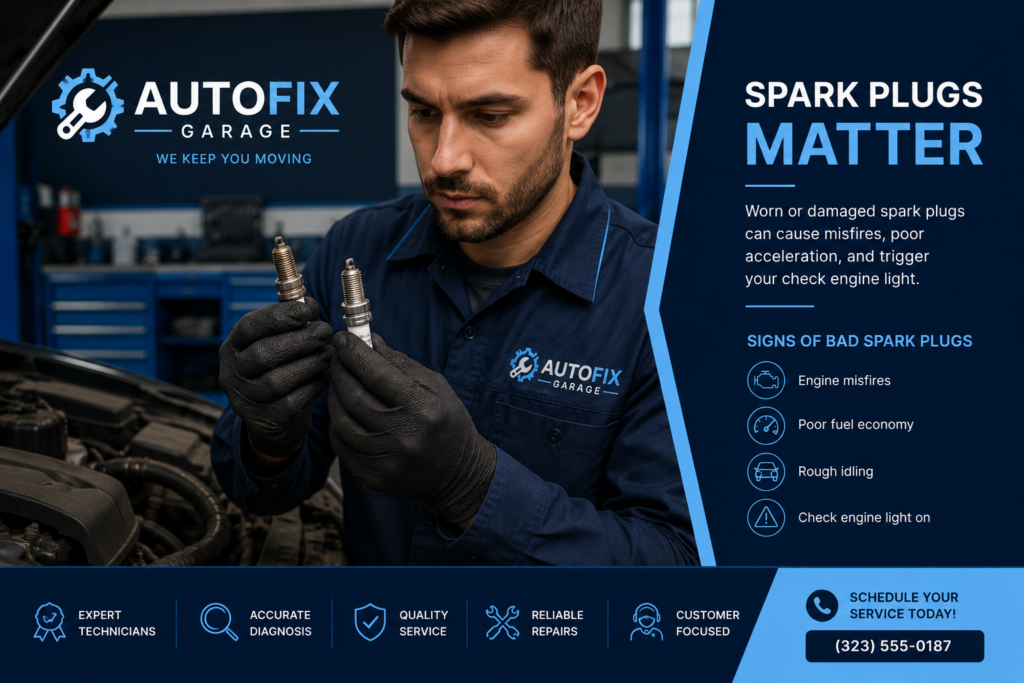
Spark plugs ignite the fuel-air mixture inside the engine cylinders. Ignition coils provide the electrical energy required for this process.
When either component begins to fail, the engine may misfire and trigger the check engine light.
Common Symptoms:
- Engine hesitation
- Rough idling
- Reduced acceleration
- Difficulty starting the vehicle
Routine maintenance and timely replacement of spark plugs can help prevent ignition-related issues.
4.Catalytic Converter Problems
The catalytic converter plays a critical role in reducing harmful emissions produced by your vehicle. Located within the exhaust system, it converts dangerous gases such as carbon monoxide, nitrogen oxides, and hydrocarbons into less harmful substances before they are released into the atmosphere.
When a catalytic converter becomes clogged, damaged, or inefficient, your vehicle’s onboard computer may detect abnormal emissions levels and trigger the check engine light.
Common Causes of Catalytic Converter Failure
- Engine misfires
- Excessive fuel consumption
- Faulty oxygen sensors
- Oil contamination
- Internal overheating
A damaged catalytic converter can significantly impact engine performance and fuel efficiency. In some cases, drivers may notice sluggish acceleration, difficulty climbing hills, or unusual exhaust odors.
Because catalytic converters are expensive components, identifying underlying issues early can help prevent premature failure and costly replacement expenses.
Prevention Tips
- Address engine misfires immediately
- Replace faulty oxygen sensors promptly
- Follow recommended maintenance schedules
- Use quality fuel whenever possible
5.Mass Air Flow Sensor Failure
The Mass Air Flow (MAF) sensor measures the amount of air entering the engine and sends this information to the vehicle’s engine control module. The computer uses these readings to determine the correct amount of fuel needed for efficient combustion.
When the MAF sensor becomes dirty or fails completely, inaccurate airflow readings can cause the engine to run too rich or too lean.
Signs of a Faulty MAF Sensor
- Rough idling
- Reduced acceleration
- Engine stalling
- Poor fuel economy
- Difficulty starting the vehicle
Many drivers overlook the importance of the MAF sensor because it is a relatively small component. However, even minor airflow measurement errors can negatively affect engine performance.
A malfunctioning MAF sensor is one of the more common check engine light causes, especially in vehicles with high mileage.
Maintenance Recommendation
Regular air filter replacements can help protect the MAF sensor from dirt and debris, extending its lifespan and maintaining accurate airflow readings.
6.Vacuum Leaks
Your engine relies on a carefully controlled vacuum system to regulate airflow and support various engine functions. Rubber hoses, gaskets, and seals throughout the engine compartment help maintain this vacuum pressure.
Over time, heat, vibration, and age can cause these components to crack or deteriorate, creating vacuum leaks.
How Vacuum Leaks Affect Your Vehicle
When excess air enters the engine without being measured by sensors, the air-fuel mixture becomes unbalanced. This can result in poor engine performance and trigger the check engine light.
Common Symptoms of Vacuum Leaks
- Rough idle
- Engine hesitation
- Increased fuel consumption
- High RPM while idling
- Hissing sounds from the engine bay
Because vacuum leaks can mimic other engine problems, professional diagnostics are often necessary to pinpoint the exact source of the issue.
Why Immediate Attention Matters
Even a small vacuum leak can gradually reduce engine efficiency and place additional stress on various engine components if left unaddressed.
7.Engine Misfires
An engine misfire occurs when one or more cylinders fail to burn the air-fuel mixture properly. This interruption in the combustion process can significantly affect engine performance and drivability.
Engine misfires are among the most serious check engine light causes, particularly when accompanied by a flashing warning light.
Common Causes of Engine Misfires
- Worn spark plugs
- Defective ignition coils
- Fuel injector problems
- Vacuum leaks
- Low fuel pressure
- Compression issues
Symptoms of an Engine Misfire
- Vehicle shaking or vibrating
- Rough idle
- Poor acceleration
- Reduced fuel economy
- Increased exhaust emissions
Ignoring engine misfires can result in additional damage to the catalytic converter and other expensive engine components.
Professional Diagnosis
Modern diagnostic tools can quickly identify which cylinder is misfiring and help technicians determine the root cause of the problem.
8.Fuel Injector Problems
Fuel injectors are responsible for delivering precise amounts of fuel into the engine’s combustion chambers. Proper fuel delivery is essential for smooth performance, efficient fuel consumption, and reduced emissions.
Over time, fuel injectors can become clogged due to carbon buildup, dirt, or poor-quality fuel.
Signs of Fuel Injector Issues
- Engine hesitation
- Poor acceleration
- Rough idle
- Hard starting
- Reduced fuel economy
When fuel injectors fail to deliver the correct amount of fuel, the engine’s air-fuel mixture becomes unbalanced, often causing the check engine light to illuminate.
Benefits of Fuel System Maintenance
Regular fuel system cleaning can:
- Improve engine performance
- Restore fuel efficiency
- Reduce emissions
- Extend injector lifespan
Professional injector cleaning services can often resolve performance issues before injector replacement becomes necessary.
9.Battery and Charging System Issues
Many drivers assume the check engine light only relates to engine problems, but electrical system issues can also trigger dashboard warnings.
Modern vehicles depend on complex electrical networks that require a stable power supply. A weak battery or malfunctioning alternator can interfere with sensor communication and computer functions.
Components That May Cause Problems
- Battery
- Alternator
- Wiring harnesses
- Ground connections
- Voltage regulators
Symptoms of Charging System Issues
- Slow engine cranking
- Dim headlights
- Flickering dashboard lights
- Electrical malfunctions
- Difficulty starting the vehicle
Low system voltage can cause sensors to send inaccurate data, leading the vehicle’s computer to trigger the check engine light even when the engine itself is functioning properly.
Importance of Electrical Inspections
Routine battery testing and charging system inspections can help identify electrical issues before they result in unexpected breakdowns.
10.Low Engine Oil Levels
Engine oil is essential for lubricating moving engine components, reducing friction, and helping regulate operating temperatures.
When oil levels drop too low, critical engine parts may not receive adequate lubrication, increasing wear and the risk of overheating.
How Low Oil Can Trigger a Check Engine Light
Many modern vehicles use sensors to monitor oil pressure, oil level, and engine performance. If oil levels become dangerously low, the onboard computer may activate warning indicators, including the check engine light.
Common Causes of Low Engine Oil
- Oil leaks
- Delayed oil changes
- Excessive oil consumption
- Worn engine components
Warning Signs
- Oil pressure warning light
- Engine knocking noises
- Burning oil smell
- Reduced engine performance
- Increased engine temperature
Preventive Measures
Drivers should check engine oil regularly and follow manufacturer-recommended oil change intervals. Maintaining proper oil levels helps protect the engine and reduces the likelihood of unexpected repairs.
A simple oil check can often prevent serious engine damage and improve overall vehicle reliability.
Why a Flashing Check Engine Light Should Never Be Ignored
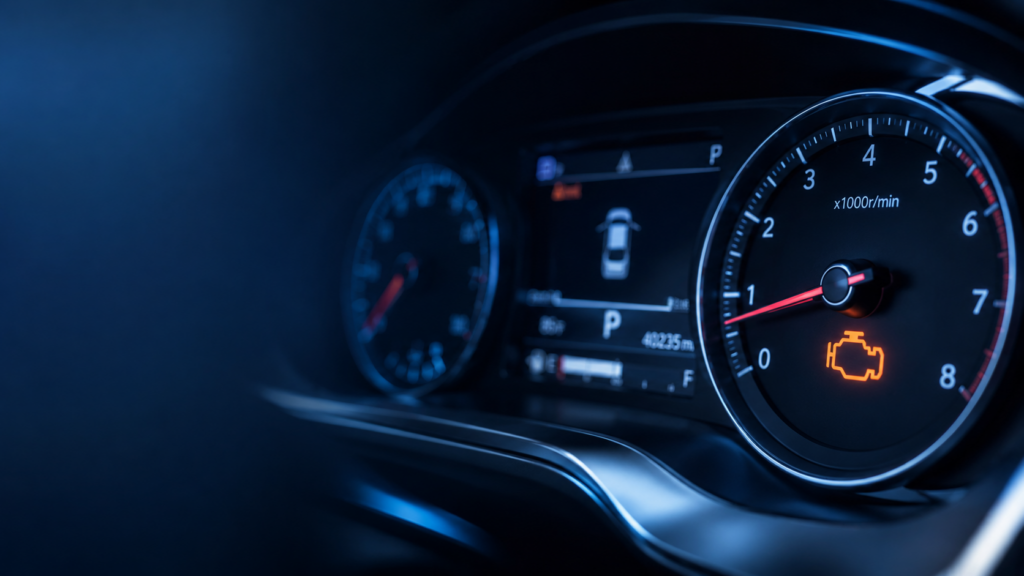
A flashing check engine light is one of the most serious dashboard warnings a driver can encounter. Unlike a solid check engine light, which may indicate a minor issue, a flashing light often signals an active engine problem that requires immediate attention.
In many cases, a flashing warning light indicates that the engine is misfiring. When a misfire occurs, unburned fuel can enter the exhaust system and cause excessive heat inside the catalytic converter. This heat can damage the converter and lead to expensive repairs if the vehicle continues to be driven.
Common Reasons for a Flashing Check Engine Light
Several issues can trigger a flashing warning light, including:
- Severe engine misfires
- Failing ignition coils
- Damaged spark plugs
- Fuel injector malfunctions
- Low fuel pressure
- Engine timing problems
Because these issues directly affect engine combustion, they can quickly escalate if ignored.
What Should You Do Immediately?
If your check engine light begins flashing while driving:
- Reduce your speed safely.
- Avoid rapid acceleration.
- Turn off unnecessary accessories.
- Listen for unusual engine noises.
- Schedule a professional inspection as soon as possible.
If the vehicle is shaking severely, losing power, or producing smoke, it may be safest to stop driving and seek professional assistance.
Potential Consequences of Ignoring a Flashing Warning Light
Continuing to drive with a flashing check engine light can result in:
- Catalytic converter damage
- Increased repair costs
- Reduced fuel efficiency
- Engine overheating
- Unexpected breakdowns
Addressing the problem early can help prevent further damage and keep repair expenses manageable.
Can I Continue Driving With the Check Engine Light On?
The answer depends on the situation.
Generally Safe to Drive:
- Solid light
- Vehicle operating normally
- No unusual noises or smells
Stop Driving and Seek Assistance:
- Flashing light
- Engine shaking
- Smoke from exhaust
- Significant loss of power
- Overheating
Whenever you’re unsure, it’s best to have the vehicle inspected professionally.
How Professional Diagnostics Help
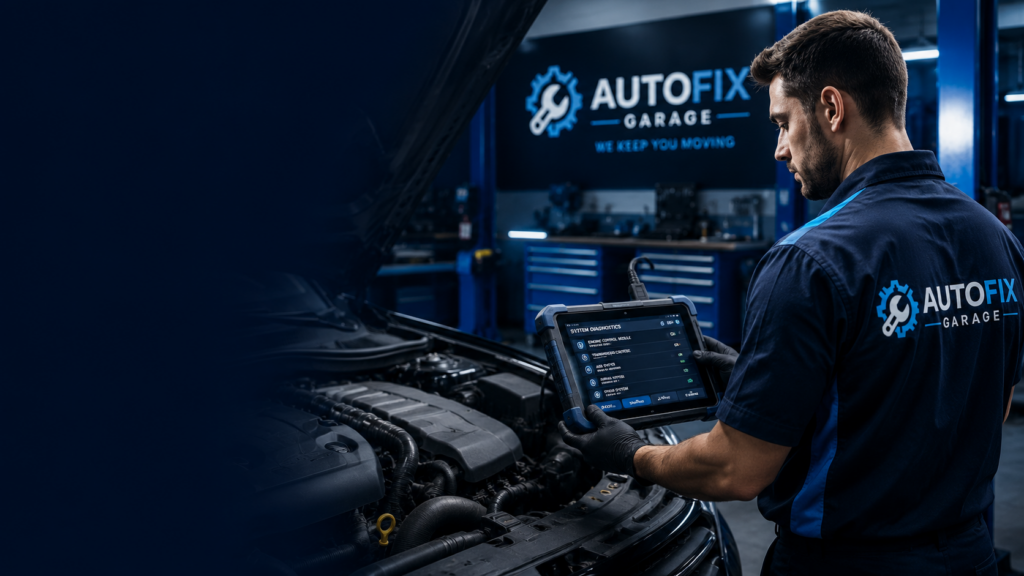
Modern vehicles contain dozens of sensors and electronic control modules.
While online research can provide clues, only a proper diagnostic scan can identify the exact cause of a warning light.
Professional technicians use advanced equipment to:
- Read diagnostic trouble codes
- Analyze sensor data
- Identify root causes
- Recommend repairs
- Prevent further damage
This saves time and helps avoid replacing parts unnecessarily.
Need professional diagnostics? Visit our Services page.
How to Prevent Future Check Engine Light Issues
Although not every issue can be prevented, regular maintenance greatly reduces the risk.
Follow Routine Oil Changes
Fresh oil protects critical engine components and improves performance.
Replace Air Filters
Clean air filters help maintain proper airflow and fuel efficiency.
Inspect Spark Plugs
Worn spark plugs can lead to misfires and ignition problems.
Check Fluid Levels
Monitor:
- Engine oil
- Coolant
- Brake fluid
- Transmission fluid
Tighten the Gas Cap
Always ensure the gas cap clicks securely after refueling.
Schedule Regular Inspections
Preventive maintenance allows technicians to identify minor issues before they become major repairs.
Why Timely Repairs Matter
Ignoring a check engine light can lead to:
- Reduced fuel economy
- Increased emissions
- Poor engine performance
- Expensive repairs
- Unexpected breakdowns
Addressing warning signs early often results in lower repair costs and better vehicle reliability.
Final Thoughts
A check engine light should never be ignored. While some check engine light causes are relatively simple, others may indicate serious mechanical or electrical problems.
Understanding common issues such as faulty oxygen sensors, loose gas caps, ignition system failures, vacuum leaks, and fuel system problems can help you respond appropriately when the warning light appears.
The best approach is to have your vehicle diagnosed as soon as possible to determine the exact cause and prevent additional damage.
At AutoFix Garage, our experienced technicians use advanced diagnostic tools to identify engine issues quickly and accurately. Whether you’re dealing with a minor warning or a more complex performance problem, we’re here to help keep your vehicle safe, reliable, and road-ready. Contact AutoFix Garage for expert vehicle inspections.