
Why does my car make noise when braking is one of the most common questions drivers ask when they notice unusual sounds coming from their vehicle. While some brake noises may be harmless, others can indicate serious safety concerns that require immediate attention. Ignoring brake noises can lead to reduced braking performance, expensive repairs, and increased risk on the road.
At AutoFix Garage, we regularly inspect and repair braking systems for drivers who experience squealing, grinding, clicking, or other unusual sounds when applying the brakes. Understanding the cause of these noises can help you address problems early and maintain safe driving conditions.
Your vehicle’s braking system works hard every time you drive. Over time, brake pads, rotors, calipers, and other components naturally wear down. Environmental conditions, driving habits, and maintenance schedules also affect brake performance. In this guide, we’ll explain the most common reasons your car may make noise when braking and what you can do about it.
Why Your Braking System Matters
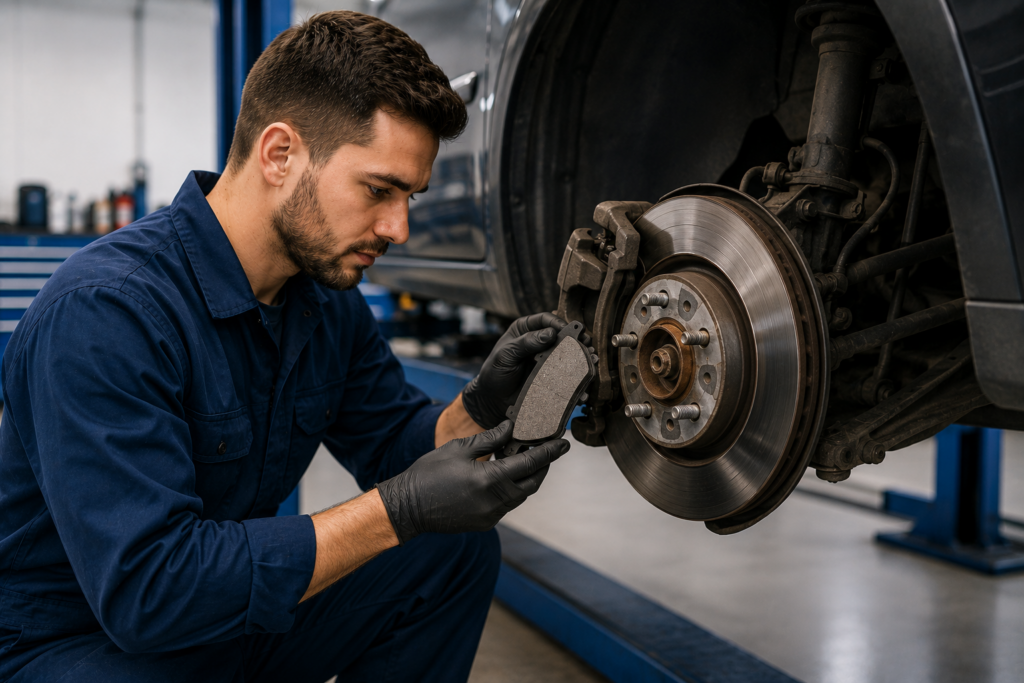
Your brakes are one of the most important safety systems in your vehicle. They allow you to slow down, stop safely, and maintain control during emergency situations. A properly functioning braking system helps protect you, your passengers, and everyone sharing the road.
Brake components experience significant heat and friction every time the brake pedal is pressed. As these parts wear, they may begin producing warning noises that indicate maintenance or repairs are needed. Paying attention to these sounds can help prevent larger and more costly issues later.
Routine brake inspections not only improve safety but also extend the lifespan of brake components and improve overall vehicle performance. Brakes and tires work together to provide safe stopping performance. Learn how to spot potential tire issues in 7 Warning Signs of Tire Wear Every Driver Should Never Ignore.
1. Worn Brake Pads
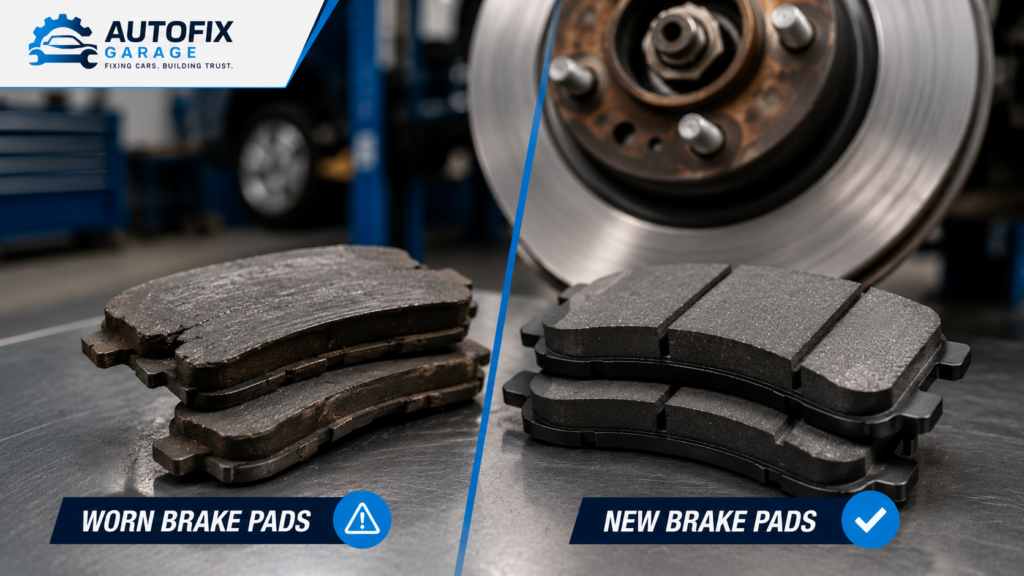
One of the most common reasons drivers ask, “Why does my car make noise when braking?”, is worn brake pads.
Brake pads contain friction material that gradually wears away as you use the brakes. Most modern brake pads include built-in wear indicators designed to produce a squealing sound when replacement is needed.
Common Symptoms
- High-pitched squealing noise
- Noise becomes louder over time
- Reduced braking performance
- Longer stopping distances
Why It Happens
The metal wear indicator contacts the rotor when the brake pad material becomes too thin. This sound serves as an early warning that brake service is needed.
What You Should Do
Schedule a brake inspection as soon as possible. Replacing worn brake pads early can help prevent damage to other brake components.
2. Grinding Sounds When Braking
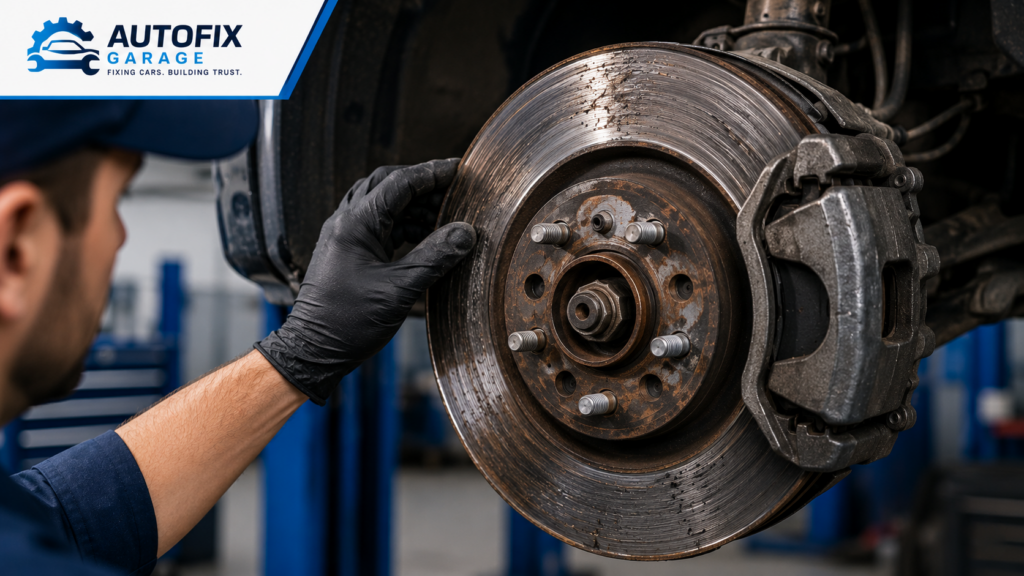
A grinding noise is often a warning sign that your braking system requires immediate attention. This sound usually indicates excessive wear and should never be ignored, even if your vehicle still seems to stop normally. Continuing to drive with grinding brakes can damage other brake components and significantly increase repair costs. Prompt inspection can help prevent further damage and ensure safe braking performance.
Common Symptoms
- Loud grinding noise
- Vibration when braking
- Poor stopping performance
- Visible rotor damage
Why It Matters
Continued driving can severely damage the brake rotors and increase repair costs significantly.
What You Should Do
Seek professional brake service immediately. Delaying repairs may compromise your vehicle’s safety.
3. Brake Dust and Debris
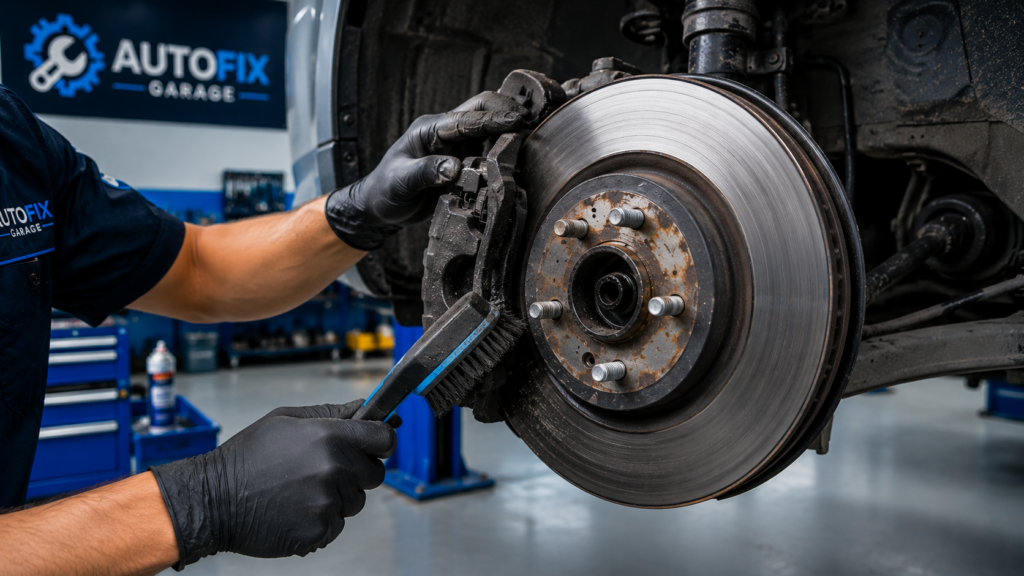
Brake systems are constantly exposed to dirt, dust, and road debris, especially when driving on busy roads or in construction zones. Small particles can become trapped between brake components and create unusual noises during braking. While some debris-related noises may disappear on their own, persistent sounds should be inspected to rule out more serious issues. Keeping brake components clean can help maintain smooth and quiet operation.
Common Symptoms
- Intermittent squeaking
- Noise only during certain conditions
- Temporary sounds after driving
Why It Happens
Road debris can become lodged between the brake rotor and brake pad, creating noise when braking.
What You Should Do
A professional brake inspection can quickly determine whether debris is causing the issue or if further repairs are needed.
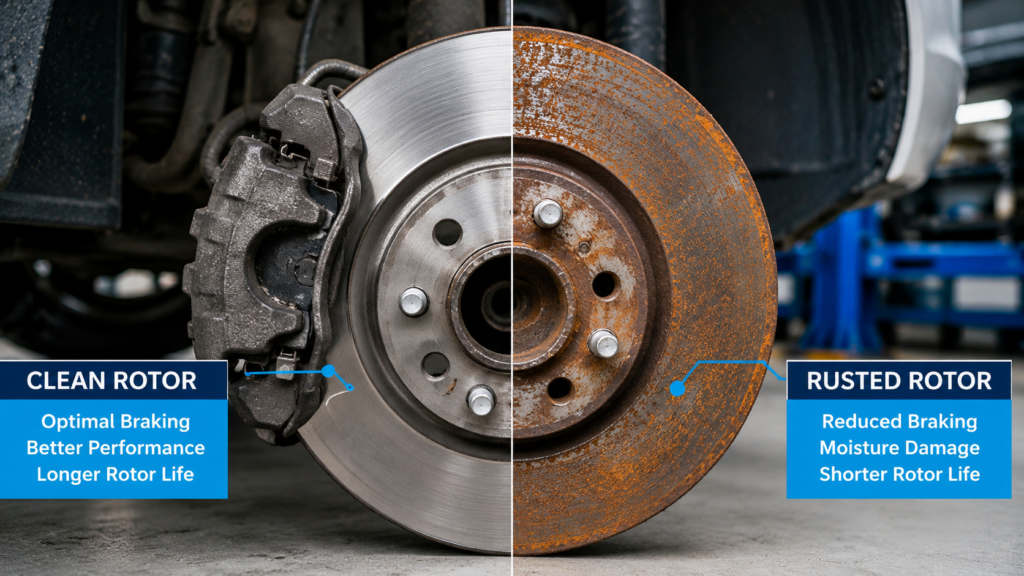
4. Moisture and Surface Rust
Environmental factors such as rain, humidity, and overnight moisture can temporarily affect brake components. Surface rust commonly forms on brake rotors when a vehicle remains parked for extended periods. In many cases, this rust disappears after a few normal braking cycles. However, excessive rust buildup may impact braking performance and should be evaluated by a qualified technician.
Common Symptoms
- Grinding noise after vehicle sits overnight
- Noise disappears after driving
- Light rust visible on rotors
Why It Happens
Humidity, rain, and moisture can cause surface rust to form temporarily.
What You Should Do
In many cases, normal driving removes the rust. However, persistent noise should be inspected by a professional technician.
5. Glazed Brake Pads and Rotors
Brake components are designed to withstand heat, but repeated exposure to extreme temperatures can reduce their effectiveness. Glazed brake pads and rotors often produce squealing sounds and may result in less responsive braking. Drivers who frequently encounter heavy traffic, steep hills, or aggressive driving conditions are more likely to experience glazing. Regular brake inspections can help identify heat-related wear before it affects safety.
Common Symptoms
- Squealing noise
- Reduced braking effectiveness
- Hard brake pedal feel
Why It Happens
Frequent hard braking generates excessive heat, causing brake surfaces to become smooth and less effective.
What You Should Do
Brake components may need resurfacing or replacement depending on the severity of glazing.
6. Loose or Damaged Brake Hardware
Even though brake hardware components are relatively small, they play a critical role in ensuring proper brake operation. Over time, clips, springs, and mounting hardware can wear out, loosen, or become damaged due to constant use. These issues can create unusual noises and reduce overall brake system efficiency. Replacing worn hardware helps maintain proper alignment and smooth brake performance.
Common Symptoms
- Rattling noises
- Clicking sounds
- Noise when driving over bumps
Why It Happens
Brake clips, shims, springs, and mounting hardware can become loose or worn over time.
What You Should Do
Professional inspection can identify and replace damaged hardware before it causes additional problems.
7. Warped Brake Rotors
Brake rotors must remain smooth and evenly balanced to provide consistent stopping power. When rotors become warped, drivers may notice vibrations, pulsations, or uneven braking responses. Excessive heat and prolonged wear are among the most common causes of rotor distortion. Addressing rotor issues early can improve safety, driving comfort, and brake system reliability.
Common Symptoms
- Pulsating brake pedal
- Steering wheel vibration
- Uneven braking
Why It Happens
Excessive heat or uneven wear can cause rotors to warp.
What You Should Do
Rotors may need resurfacing or replacement depending on their condition.
8. Low-Quality Brake Components
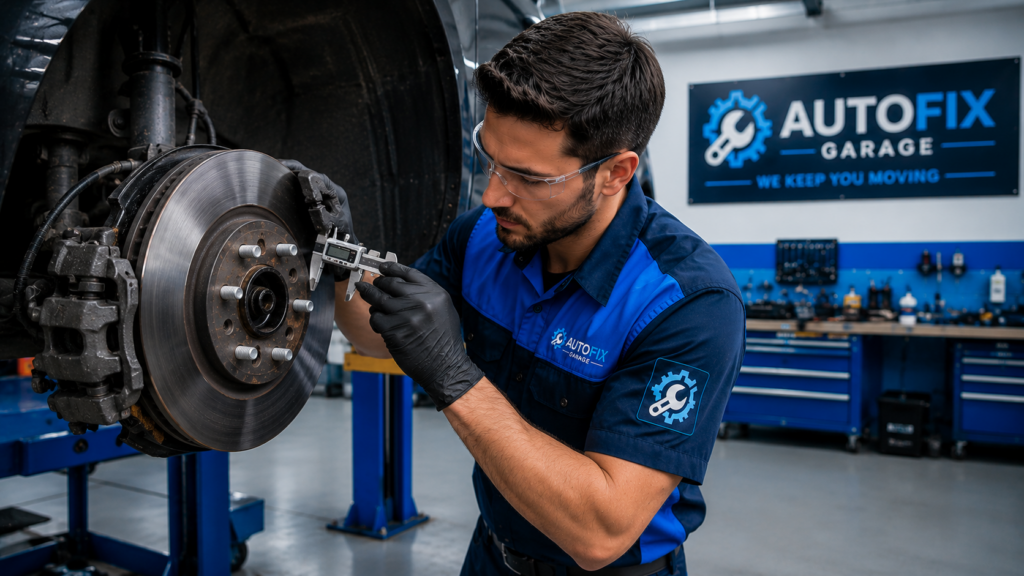
Choosing quality brake parts is essential for long-term performance and safety. While lower-cost components may seem attractive initially, they often wear out faster and produce more noise than premium alternatives. High-quality brake pads and rotors are designed to provide better durability, quieter operation, and improved stopping performance. Investing in reliable brake components can reduce maintenance costs over time and enhance driving confidence.
Common Symptoms
- Persistent squeaking
- Excessive brake dust
- Short component lifespan
Why It Happens
Lower-quality brake pads often contain materials that generate more noise.
What You Should Do
Choose high-quality brake components installed by experienced professionals.
How Driving Habits Affect Brake Wear
Your driving habits have a significant impact on the lifespan of your braking system. Frequent hard braking, sudden stops, and aggressive driving generate excessive heat and friction, causing brake components to wear out faster. Practicing smooth acceleration and gradual braking can help extend the life of your brakes and reduce maintenance costs.
Habits That Increase Brake Wear
- Hard braking
- Tailgating
- Frequent stop-and-go driving
- Excessive speeding
- Carrying heavy loads
Drivers who brake aggressively often experience faster brake wear and more frequent brake-related issues.
Adopting smoother driving habits can reduce stress on the braking system and extend component life.
Warning Signs You Need Immediate Brake Service
Brake problems often give warning signs before they become serious safety hazards. Symptoms such as grinding noises, a soft brake pedal, increased stopping distance, vibrations, or a brake warning light should never be ignored. Addressing these issues early can help prevent costly repairs and ensure safe vehicle operation.
Unusual brake noises are often one of the first indicators of brake system problems. Learn about the 5 Signs You Need Brake Repair Immediately to identify issues before they become serious safety concerns.
Watch for:
- Brake warning light
- Soft brake pedal
- Vehicle pulling while braking
- Burning smell
- Increased stopping distance
- Vibrations during braking
Any of these symptoms should be addressed promptly to ensure safe vehicle operation.
How to Prevent Brake Problems
Preventive maintenance is the best way to keep your braking system functioning properly. Regular brake inspections, timely brake pad replacements, and safe driving habits can help reduce wear and prevent unexpected failures. Taking a proactive approach to brake care improves safety and extends the lifespan of key brake components.
Schedule Regular Brake Inspections
Routine inspections help identify wear before it becomes a serious issue.
Replace Brake Pads on Time
Timely brake pad replacement protects rotors and other components.
Drive Smoothly
Avoid sudden stops whenever possible.
Address Noises Early
Never ignore unusual brake sounds.
Follow Manufacturer Recommendations
Routine maintenance intervals help keep the braking system operating efficiently.
Regular vehicle maintenance helps improve safety and performance. The Car Care Council Maintenance Guide offers valuable tips for maintaining important vehicle systems, including brakes.
The Risks of Ignoring Brake Noises
Ignoring brake noises can lead to more extensive damage and compromise your vehicle’s stopping ability. What begins as a minor issue may quickly develop into worn rotors, damaged calipers, or complete brake failure. Promptly investigating unusual brake sounds helps protect your safety and prevents more expensive repairs in the future.
Ignoring brake noises can lead to:
- Increased repair costs
- Rotor damage
- Reduced stopping power
- Brake failure
- Higher accident risk
What starts as a simple brake pad replacement can quickly become a much larger repair if left unresolved. Being proactive about brake maintenance helps protect both your vehicle and your safety. Vehicle warning lights should never be ignored, especially when combined with unusual sounds or performance issues. Read Why Is My Check Engine Light On? Common Causes Every Driver Should Know for additional maintenance insights.
Why Choose AutoFix Garage for Brake Repair Services?
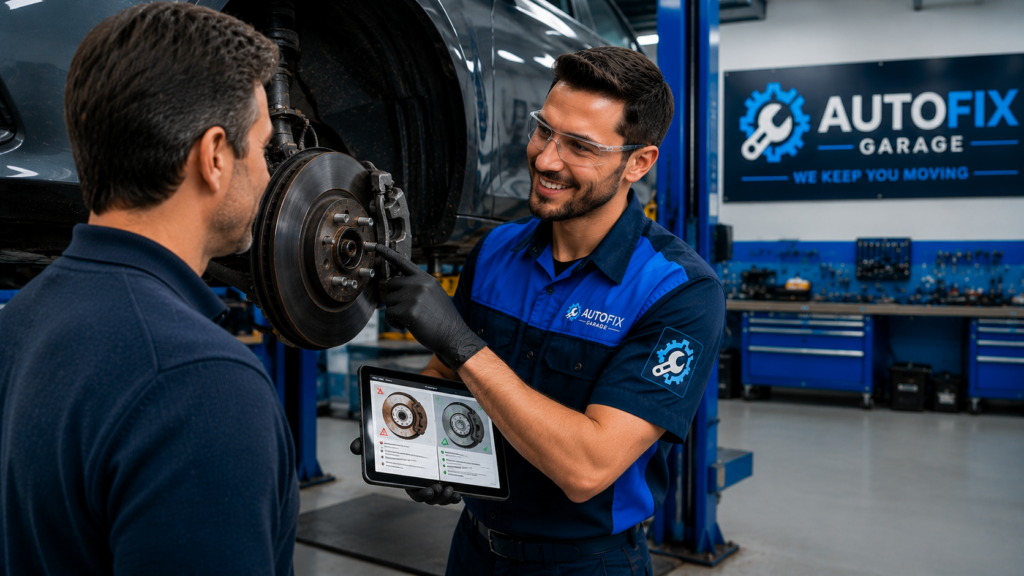
At AutoFix Garage, we understand that brake issues can be stressful and potentially dangerous. Our experienced technicians provide comprehensive brake inspections, diagnostics, and repairs using high-quality parts and proven repair techniques.
Our brake services include:
- Brake inspections
- Brake pad replacement
- Rotor resurfacing and replacement
- Brake fluid service
- Brake hardware replacement
- Complete brake system diagnostics
We are committed to helping drivers maintain safe and reliable braking performance through honest recommendations and professional service.
Whether you’re hearing a squeal, grind, click, or vibration, AutoFix Garage can identify the cause and restore your vehicle’s braking system to optimal condition. If your vehicle is making unusual noises when braking, don’t wait for the problem to worsen. Schedule a brake inspection today with the experienced team at AutoFix Garage.
Benefits of Regular Brake Maintenance
Regular brake maintenance offers several important advantages:
Improved Safety
Reliable brakes help protect you and your passengers.
Lower Repair Costs
Early repairs prevent more expensive damage.
Better Vehicle Performance
Properly functioning brakes improve control and handling.
Longer Component Life
Routine service extends brake system lifespan.
Greater Peace of Mind
Knowing your brakes are in excellent condition provides confidence behind the wheel.
Frequently Asked Questions
1. Why do my brakes squeak but still work?
Squeaking often indicates worn brake pads, moisture, or brake dust. Even if braking performance seems normal, the issue should be inspected.
2. Is it safe to drive with noisy brakes?
It depends on the cause. Some noises are minor, while others indicate serious brake wear. A professional inspection is recommended.
3. Why do my brakes grind when stopping?
Grinding usually means the brake pads have worn down completely and require immediate replacement.
4. How often should brakes be inspected?
Most experts recommend brake inspections during routine maintenance visits or at least once a year.
5. Can weather cause brake noise?
Yes. Moisture and rust can temporarily create brake noises, especially after a vehicle sits overnight.
Final Thoughts
Why does my car make noise when braking is a question that should never be ignored. Brake noises often provide early warning signs of wear, damage, or maintenance needs. Addressing these issues quickly can improve safety, reduce repair costs, and help maintain reliable braking performance.
At AutoFix Garage, our experienced technicians are dedicated to keeping your vehicle safe through professional brake inspections, repairs, and preventive maintenance services. If you’ve noticed unusual brake noises, schedule an inspection today and drive with confidence knowing your braking system is in expert hands.