
Common Engine Problems and Their Solutions is a topic every vehicle owner should understand. Your engine is the heart of your vehicle, and when it develops problems, even minor issues can affect performance, fuel efficiency, reliability, and safety. Ignoring early warning signs often leads to more extensive damage, higher repair costs, and unexpected breakdowns.
Modern engines are designed to provide years of dependable performance, but they still require routine maintenance and timely repairs. Understanding the most common engine problems can help you identify issues early and take the necessary steps to prevent costly damage.
In this guide, we’ll explore the most common engine problems drivers encounter, their causes, warning signs, and practical solutions to keep your vehicle performing at its best. At AutoFix Garage, we encourage every vehicle owner to follow a proactive maintenance schedule. Whether you drive daily, take long road trips, or use your vehicle occasionally, having a maintenance checklist helps ensure nothing important is overlooked.
Why Engine Health Matters
Common Engine Problems and Their Solutions become easier to manage when you understand the importance of engine health. The engine generates the power needed to move your vehicle and supports numerous systems that contribute to performance and efficiency.
A healthy engine helps provide:
- Reliable vehicle performance
- Better fuel economy
- Reduced emissions
- Smoother acceleration
- Improved driving comfort
- Longer vehicle lifespan
- Lower maintenance costs
When engine issues are ignored, they can affect multiple vehicle systems and eventually result in major repairs.
Common Signs of Engine Problems
Common Engine Problems and Their Solutions often begin with subtle warning signs that many drivers overlook. Your vehicle’s engine typically provides early indications when something isn’t functioning correctly. Recognizing these symptoms early can help prevent costly repairs and reduce the risk of unexpected breakdowns.
Common symptoms include:
- Check engine light illumination
- Unusual engine noises
- Excessive exhaust smoke
- Poor fuel economy
- Rough idling
- Engine overheating
- Difficulty starting
- Loss of power
- Engine vibrations
- Stalling
If you notice any of these symptoms, it’s important to have your vehicle inspected as soon as possible.
1. Engine Overheating
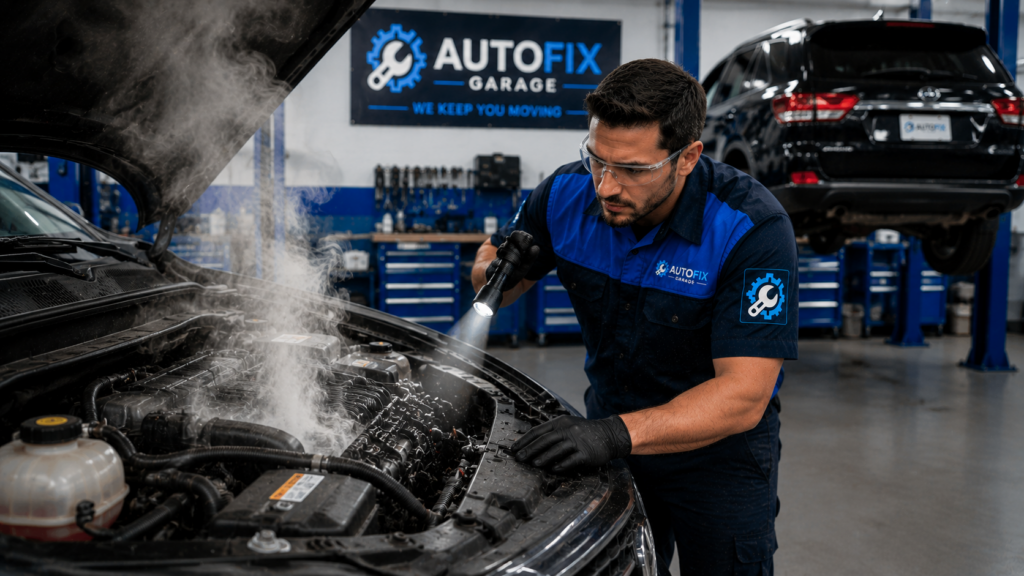
Common Engine Problems and Their Solutions frequently involve engine overheating, one of the most serious issues a vehicle can experience. An engine operates within a specific temperature range, and when temperatures rise beyond normal levels, internal components can become damaged.
Review industry-recommended engine cooling system maintenance practices to help prevent overheating and costly repairs.
Causes of Engine Overheating
Several factors can cause an engine to run hotter than normal:
- Low coolant levels
- Coolant leaks
- Faulty thermostat
- Malfunctioning radiator
- Broken cooling fan
- Water pump failure
- Blocked cooling system passages
Warning Signs of Overheating
Watch for:
- Rising temperature gauge
- Steam from under the hood
- Coolant warning lights
- Sweet smell from leaking coolant
- Reduced engine performance
Solutions
To address overheating issues:
- Check coolant levels regularly
- Repair leaks promptly
- Replace faulty thermostats
- Service the radiator system
- Inspect cooling fans and water pumps
- Schedule routine cooling system maintenance
Ignoring overheating can result in warped cylinder heads, blown head gaskets, and expensive engine repairs.
2. Check Engine Light Problems
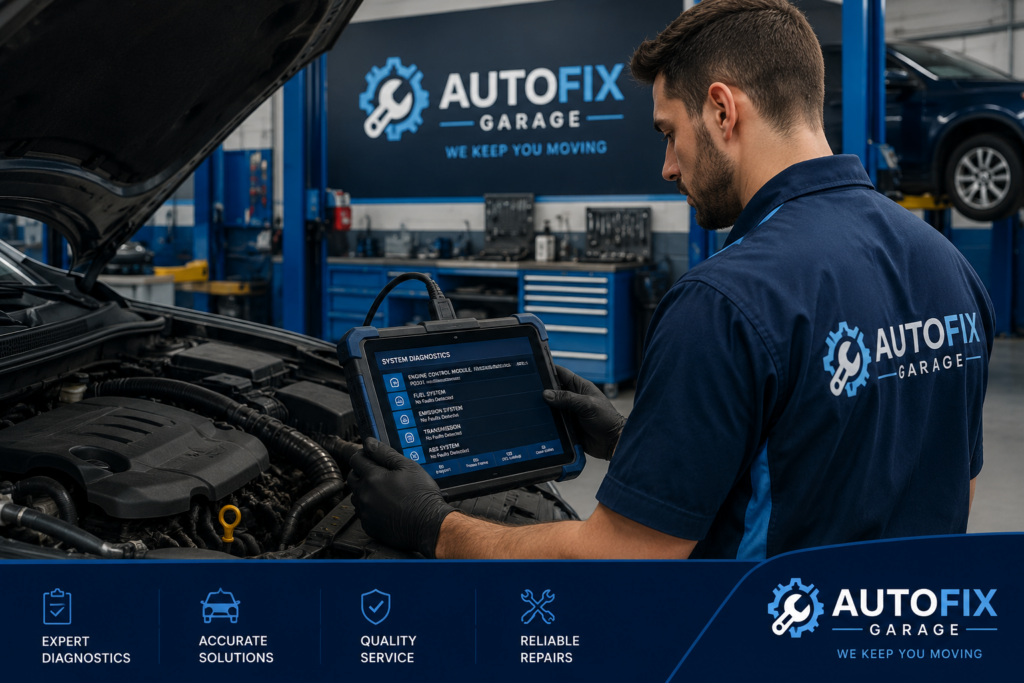
Common Engine Problems and Their Solutions often begin with the check engine light appearing on the dashboard. This warning light is designed to alert drivers when the vehicle’s onboard computer detects a problem affecting engine performance, emissions, or other critical systems.
While some issues may be relatively minor, others can require immediate attention. Having the vehicle professionally diagnosed as soon as the warning light appears can help identify the problem and prevent further damage. Learn more about common check engine light causes and why professional diagnostics are important for accurate repairs.

Common Causes
The check engine light can be triggered by:
- Faulty oxygen sensors
- Loose gas caps
- Ignition system issues
- Emissions system faults
- Sensor failures
- Fuel system problems
- Engine misfires
Why You Shouldn’t Ignore It
Many drivers continue operating their vehicles after the light appears. While some issues may be minor, others can lead to significant engine damage if left unresolved.
Solutions
Professional diagnostics can identify the specific fault code and determine the appropriate repair. Early diagnosis often prevents more serious problems from developing.
3. Engine Misfires
Common Engine Problems and Their Solutions commonly include engine misfires, which can negatively impact performance, fuel economy, and driving comfort. A misfire occurs when one or more engine cylinders fail to ignite the air-fuel mixture properly.
Even an occasional misfire can place additional stress on engine components and reduce overall efficiency. Identifying and correcting the cause early can help maintain smooth engine operation and prevent more serious repairs.
Causes of Engine Misfires
Common causes include:
- Worn spark plugs
- Faulty ignition coils
- Fuel injector issues
- Vacuum leaks
- Sensor malfunctions
- Fuel delivery problems
Symptoms
You may notice:
- Rough idling
- Engine shaking
- Reduced power
- Poor acceleration
- Increased fuel consumption
Solutions
Regular tune-ups and timely replacement of ignition components can often resolve misfire issues before they become severe.
4. Excessive Oil Consumption
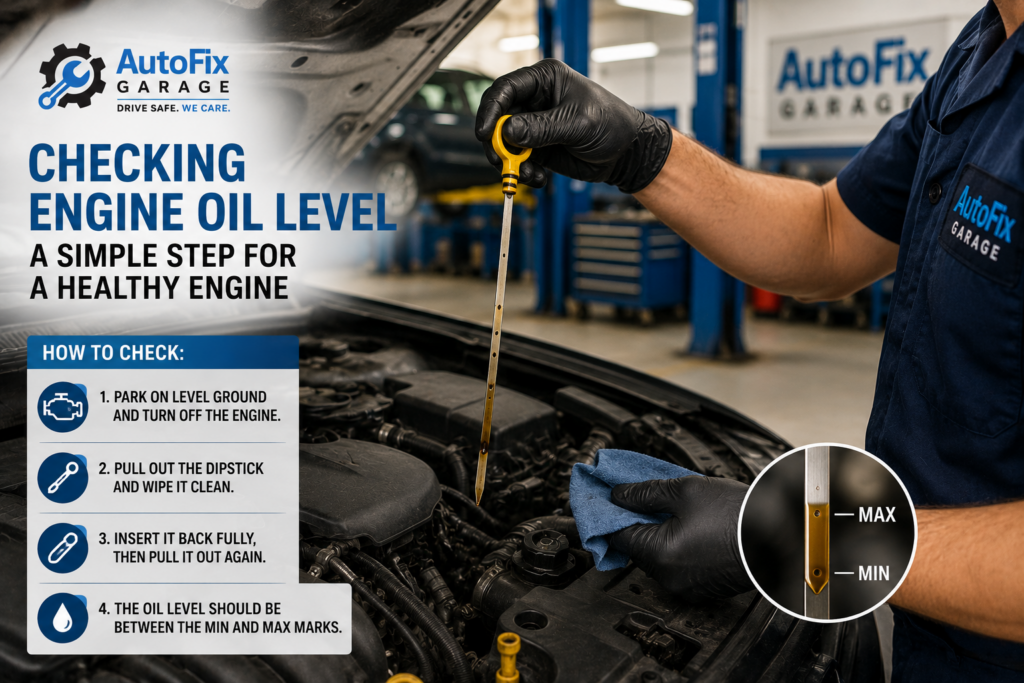
Common Engine Problems and Their Solutions often involve excessive oil consumption, particularly in older or high-mileage vehicles. Engine oil plays a crucial role in lubricating moving parts, reducing friction, and helping regulate engine temperature.
When an engine consumes oil faster than normal, it may indicate internal wear or developing mechanical issues. Monitoring oil levels regularly can help detect problems before they result in engine damage. Following a schedule for regular engine oil changes can help reduce engine wear and improve long-term performance.
Causes
Excessive oil consumption may result from:
- Worn piston rings
- Valve seal wear
- Engine gasket leaks
- High mileage engine wear
Warning Signs
Look for:
- Frequent need to add oil
- Blue exhaust smoke
- Oil spots under the vehicle
- Low oil level warnings
Solutions
Regular oil inspections and professional diagnostics can identify the source of oil loss and prevent major engine damage.
5. Engine Knocking
Common Engine Problems and Their Solutions may include engine knocking, a condition that often produces a noticeable metallic tapping or knocking sound. These noises can indicate improper combustion within the engine and should never be ignored.
Engine knocking can reduce performance and potentially damage internal components if left unresolved. Understanding the underlying causes can help ensure timely repairs and long-term engine reliability.
What Causes Engine Knocking?
Potential causes include:
- Low-quality fuel
- Carbon buildup
- Incorrect ignition timing
- Engine overheating
- Fuel system problems
Symptoms
Drivers may hear:
- Metallic tapping sounds
- Knocking noises during acceleration
- Reduced performance
Solutions
Using the recommended fuel grade, maintaining proper engine timing, and addressing cooling system issues can help eliminate knocking.
6. Poor Fuel Economy
Common Engine Problems and Their Solutions often become apparent when drivers notice a sudden decrease in fuel efficiency. If your vehicle is consuming more fuel than usual without changes in driving habits, an engine-related issue may be affecting performance.
Several engine and fuel system components work together to maximize efficiency. When one of these components fails or becomes less effective, fuel consumption can increase significantly.
Possible Causes
- Dirty air filters
- Worn spark plugs
- Faulty oxygen sensors
- Fuel injector problems
- Engine management issues
Solutions
Improving fuel economy may involve:
- Replacing air filters
- Performing tune-ups
- Cleaning fuel injectors
- Addressing sensor faults
- Maintaining proper tire pressure
7. Rough Idling
Common Engine Problems and Their Solutions frequently include rough idling, which can make a vehicle feel unstable or uncomfortable while stopped. A properly functioning engine should maintain a smooth and consistent idle speed.
If the engine vibrates, shakes, or struggles to maintain idle speed, there may be an issue affecting combustion, airflow, or fuel delivery. Early diagnosis can help prevent worsening performance problems.

Common Causes
Rough idling can result from:
- Dirty fuel injectors
- Vacuum leaks
- Faulty spark plugs
- Dirty throttle body
- Sensor failures
Symptoms
You may experience:
- Vehicle shaking while stopped
- Inconsistent engine speed
- Stalling tendencies
- Vibrations inside the cabin
Solutions
Routine engine maintenance can often restore smooth idle performance.
8. Engine Stalling
Common Engine Problems and Their Solutions sometimes involve engine stalling, a frustrating and potentially dangerous issue. Stalling occurs when the engine unexpectedly shuts off while idling, slowing down, or even driving.
Because engine stalling can affect vehicle control and safety, identifying the root cause quickly is essential. Professional diagnostics can help determine whether the issue involves the fuel system, ignition system, sensors, or electrical components.
Causes of Stalling
Potential causes include:
- Fuel delivery problems
- Sensor failures
- Ignition system issues
- Air intake restrictions
- Electrical system faults
Risks
Engine stalling can be dangerous, especially in traffic situations where power steering and braking assistance may be reduced.
Solutions
Prompt diagnosis is critical to identify and repair the underlying issue.
9. Excessive Exhaust Smoke
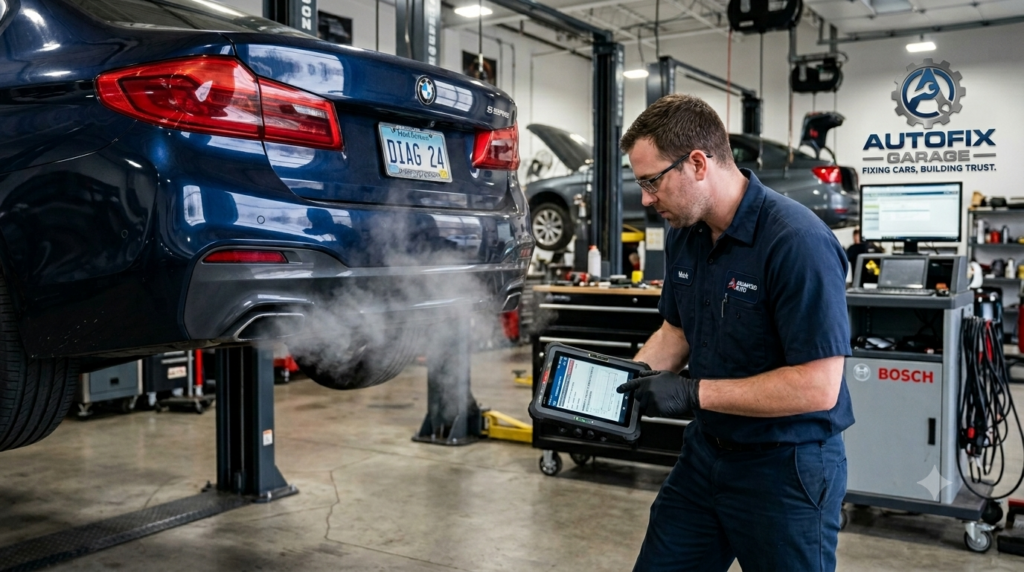
Common Engine Problems and Their Solutions can often be identified by changes in exhaust smoke. The color and amount of smoke coming from the exhaust system can provide valuable clues about what is happening inside the engine.
While some exhaust vapor is normal, excessive smoke may indicate oil consumption, coolant leaks, or fuel system problems. Understanding the meaning behind different smoke colors can help drivers recognize engine issues early.
Blue Smoke
May indicate:
- Burning engine oil
- Worn piston rings
- Valve seal issues
White Smoke
May indicate:
- Coolant entering the combustion chamber
- Head gasket failure
Black Smoke
May indicate:
- Excess fuel consumption
- Fuel injector issues
- Air intake problems
Solutions
The color of exhaust smoke provides valuable diagnostic information and should be evaluated by a professional technician.
10. Starting Problems
Common Engine Problems and Their Solutions frequently involve difficulty starting the vehicle. Reliable engine starting depends on several systems working together, including the battery, starter, ignition system, fuel system, and engine sensors.
When one or more of these components begins to fail, starting issues may occur. Addressing these problems promptly can help prevent complete no-start situations and unexpected breakdowns. Understanding battery warning signs can help prevent unexpected starting issues and vehicle breakdowns.
Potential Causes
- Weak battery
- Fuel system issues
- Ignition problems
- Sensor failures
- Starter motor issues
Symptoms
Drivers may experience:
- Slow cranking
- Clicking sounds
- Extended startup times
- Failure to start
Solutions
A complete inspection of the starting and charging systems can help identify the cause.
Preventing Common Engine Problems
Common Engine Problems and Their Solutions are often preventable through routine maintenance and proactive vehicle care. Many serious engine failures begin as minor issues that gradually worsen when warning signs are ignored. Routine maintenance is one of the best ways to extend the life of your vehicle and avoid costly engine repairs.
By following the manufacturer’s maintenance schedule, monitoring fluid levels, addressing dashboard warning lights promptly, and scheduling regular inspections, drivers can significantly reduce the risk of major engine repairs. Preventive maintenance not only improves reliability but also helps extend the life of the engine and enhance overall vehicle performance.
Follow Your Maintenance Schedule
A consistent maintenance schedule helps identify problems before they become serious.
Benefits include:
- Improved reliability
- Better fuel economy
- Reduced repair costs
- Longer engine life
Change Engine Oil Regularly
Clean engine oil is critical for engine protection.
Regular oil changes help:
- Reduce wear
- Prevent overheating
- Improve efficiency
- Extend engine life
Monitor Fluid Levels
Check regularly:
- Engine oil
- Coolant
- Transmission fluid
- Brake fluid
- Power steering fluid
Proper fluid levels support optimal engine performance. Following a comprehensive vehicle maintenance checklist helps identify potential engine issues before they become serious problems.
Address Warning Signs Early
Ignoring minor symptoms often leads to major repairs.
Schedule inspections if you notice:
- Unusual noises
- Dashboard warnings
- Fluid leaks
- Reduced performance
Why Choose AutoFix Garage for Engine Diagnostics and Repairs?
Common Engine Problems and Their Solutions require accurate diagnosis and professional repairs. At AutoFix Garage, our experienced technicians use advanced diagnostic equipment to identify engine issues quickly and efficiently.
Whether you’re dealing with engine overheating, poor performance, warning lights, rough idling, or starting problems, our team is committed to providing dependable automotive care and honest recommendations.

Our Engine Services Include:
- Engine diagnostics
- Check engine light inspections
- Cooling system repairs
- Oil leak repairs
- Fuel system services
- Engine maintenance
- Preventive inspections
Our goal is to help keep your vehicle reliable, efficient, and road-ready. Explore our auto repair and vehicle maintenance services designed to keep your engine running smoothly year-round.
Conclusion
Common Engine Problems and Their Solutions are important for every vehicle owner to understand. From overheating and oil consumption to misfires and starting problems, recognizing the warning signs early can save time, money, and frustration.
Regular maintenance, timely inspections, and prompt repairs play a vital role in maintaining engine health and preventing unexpected breakdowns. By addressing small issues before they become major problems, you can improve vehicle reliability, enhance performance, and extend the life of your engine.
If you’ve noticed any engine-related warning signs, don’t wait for the problem to worsen. Schedule a professional inspection with AutoFix Garage and keep your vehicle running at its best. Don’t wait for minor engine issues to become major repairs—schedule an engine inspection with our experienced technicians today.