
Understanding how often should you change your engine oil is one of the most important aspects of vehicle maintenance, helping your engine perform efficiently, last longer, and avoid costly repairs.
Engine oil plays a critical role in keeping your vehicle running smoothly. It lubricates moving engine components, reduces friction, helps regulate temperature, and prevents harmful contaminants from damaging internal parts. Despite its importance, many drivers are unsure about how often they should replace their engine oil and what factors influence oil change intervals.
In the past, the standard recommendation was to change engine oil every 3,000 miles. However, modern vehicles, improved engine technology, and advanced synthetic oils have significantly extended recommended oil change intervals. Today, the answer to how often should you change your engine oil depends on several factors, including your vehicle manufacturer’s recommendations, driving habits, climate conditions, and the type of oil you use.
At AutoFix Garage, we frequently meet drivers who either change their oil too often or wait far too long between services. Both approaches can impact vehicle performance and maintenance costs. Understanding the proper oil change schedule can help protect your engine and improve overall reliability.
Why Engine Oil Is So Important
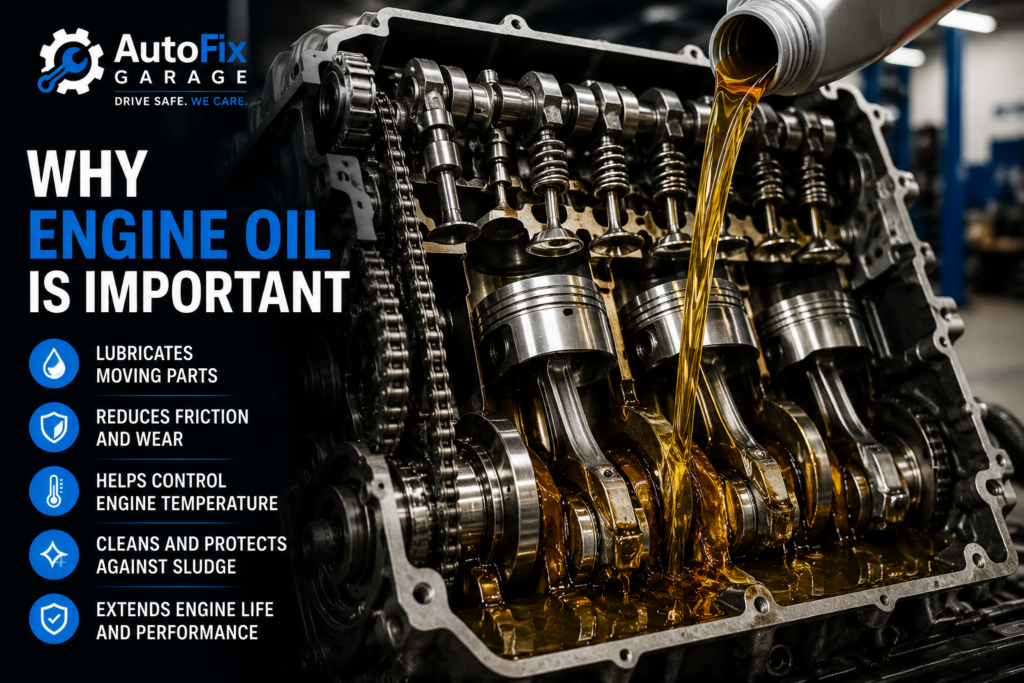
Your engine contains hundreds of moving components operating at high speeds and temperatures. Without proper lubrication, these parts would create excessive friction, leading to premature wear and potential engine failure.
Engine oil performs several essential functions:
- Lubricates moving engine parts
- Reduces friction and wear
- Helps control engine temperature
- Removes dirt and contaminants
- Prevents sludge buildup
- Protects against corrosion
- Improves fuel efficiency
- Extends engine lifespan
Asengine oil ages, it gradually loses its effectiveness. Contaminants accumulate, additives break down, and the oil becomes less capable of protecting critical engine components. Regular vehicle maintenance, including timely oil changes, plays an important role in engine longevity and efficiency, as highlighted by the Fuel Economy Information Center. This is why regular oil changes remain one of the most important maintenance services for any vehicle.
How Often Should You Change Your Engine Oil?
The answer varies depending on your vehicle and driving conditions.
Many modern vehicles can safely go between:
- 5,000 to 7,500 miles with conventional oil
- 7,500 to 10,000 miles with synthetic blend oil
- 7,500 to 15,000 miles with full synthetic oil
Some newer vehicles equipped with advanced engine management systems may recommend even longer intervals.
However, mileage is only one factor. Time also matters.
Even if you do not drive frequently, most experts recommend changing your engine oil at least every 6 to 12 months.
Always consult your owner’s manual for manufacturer-specific recommendations.
Factors That Affect Oil Change Frequency
Not every driver uses their vehicle under the same conditions. Several factors influence how often should you change your engine oil.
1. Driving Habits
Frequent short trips can place additional stress on engine oil.
During short drives:
- The engine may not reach full operating temperature.
- Moisture can accumulate within the engine.
- Fuel contamination may increase.
These factors can shorten oil life and require more frequent changes.
2. Stop-and-Go Traffic
Heavy traffic conditions force engines to operate under increased stress.
Frequent stopping and accelerating can:
- Increase engine temperatures
- Accelerate oil degradation
- Reduce overall oil effectiveness
Drivers in urban environments often benefit from shorter oil change intervals.
3. Extreme Temperatures
Both hot and cold weather affect engine oil performance.
High temperatures can:
- Cause oil breakdown
- Increase oxidation
- Reduce lubrication effectiveness
Cold temperatures can:
- Thicken engine oil
- Delay proper lubrication
- Increase startup wear
Drivers in extreme climates should follow severe-service maintenance schedules.
4. Towing and Heavy Loads
Vehicles used for towing trailers or carrying heavy loads place additional demands on the engine.
This increased workload can:
- Raise engine temperatures
- Accelerate oil deterioration
- Require more frequent oil changes
5. Dusty or Dirty Environments
Driving on gravel roads or dusty construction areas introduces additional contaminants into the engine.
These contaminants can:
- Reduce oil effectiveness
- Increase engine wear
- Shorten oil life
Conventional Oil vs. Synthetic Oil
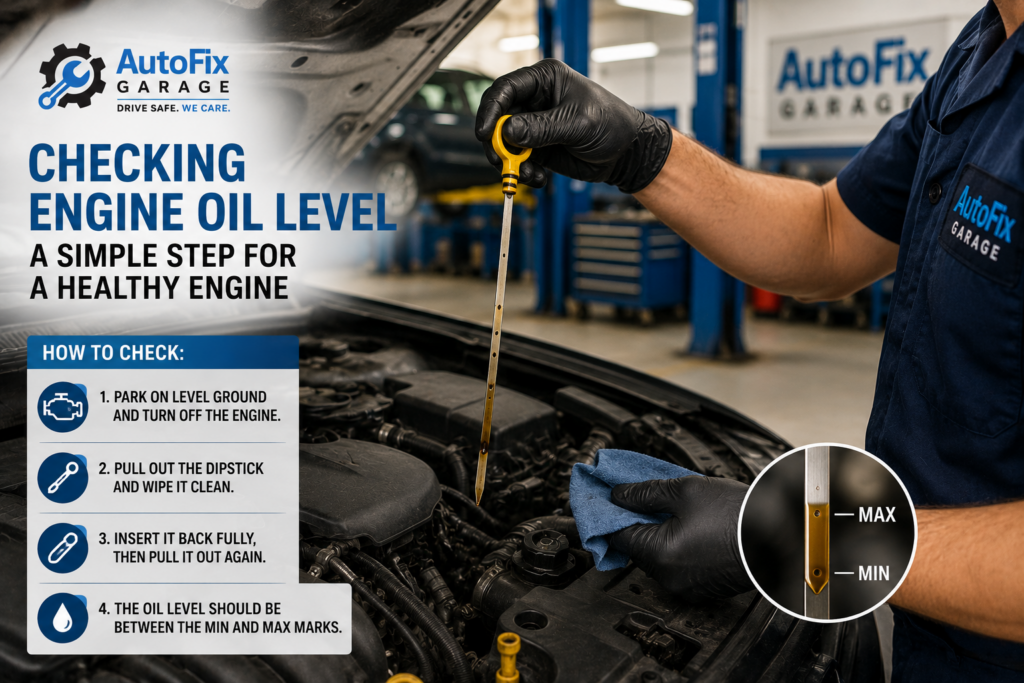
The type of oil you choose plays a major role in determining how often your vehicle needs an oil change. Conventional oil is generally more affordable but requires more frequent replacement, while synthetic oil offers better engine protection and longer service intervals. Understanding the differences between these oil types can help you make the best choice for your vehicle’s performance, longevity, and maintenance costs.
Conventional Oil
Conventional oil is refined directly from crude oil and is typically less expensive.
Benefits include:
- Lower cost
- Suitable for older vehicles
- Widely available
Limitations include:
- Shorter service life
- Less resistance to extreme temperatures
- More frequent oil changes required
Synthetic Oil
Synthetic oil is engineered for enhanced performance and durability.
Benefits include:
- Superior engine protection
- Better temperature resistance
- Reduced engine deposits
- Improved fuel economy
- Longer service intervals
Although synthetic oil costs more initially, many drivers find it provides better long-term value.
At AutoFix Garage, our technicians can help determine which oil type is best suited for your vehicle and driving conditions.
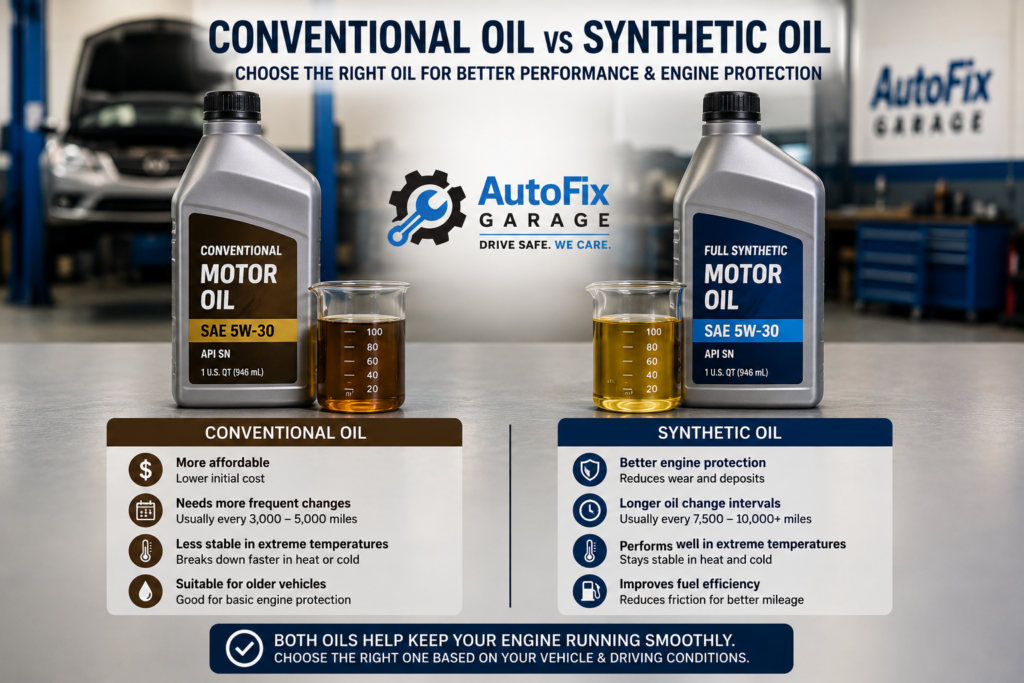
Signs Your Vehicle May Need an Oil Change
Even if you follow a maintenance schedule, your vehicle may display warning signs indicating it’s time for an oil change.
Common symptoms include:
Engine Oil Warning Light
Many vehicles have sensors that monitor oil condition and pressure.
A warning light should never be ignored.
Dark or Dirty Oil
Fresh oil typically appears amber in color.
Over time, oil becomes darker as it collects contaminants.
Increased Engine Noise
Clean oil provides smooth lubrication.
As oil degrades, engine components may become noisier.
Burning Oil Smell
A strong oil odor inside or outside the vehicle may indicate:
- Oil leaks
- Overheated oil
- Engine issues
Reduced Fuel Efficiency
Old oil increases friction inside the engine, forcing it to work harder and consume more fuel.
Rough Engine Performance
Degraded oil may contribute to:
- Poor acceleration
- Rough idling
- Reduced responsiveness
If you notice these symptoms, scheduling an inspection at AutoFix Garage can help identify the issue before it becomes serious. If your vehicle’s warning lights appear during routine maintenance, be sure to read our guide on Why Is My Check Engine Light On? to understand what these alerts may indicate.
What Happens If You Skip Oil Changes?
Some drivers postpone oil changes to save time or money. Unfortunately, delaying maintenance often leads to significantly higher repair costs. Skipping regular oil changes may seem harmless, but it can have serious consequences for your engine over time. As engine oil becomes dirty and breaks down, it loses its ability to properly lubricate and protect critical engine components. This can lead to increased friction, reduced performance, overheating, and costly repairs that could have been avoided with routine maintenance.
Ignoring oil changes can result in:
- Increased engine wear
- Reduced fuel efficiency
- Sludge accumulation
- Overheating
- Poor performance
- Engine component failure
- Expensive repairs
As oil loses its protective properties, metal components experience increased friction and wear.
Eventually, severe neglect can lead to complete engine failure.
Replacing an engine costs far more than maintaining a regular oil change schedule.
The Benefits of Regular Oil Changes
Regular oil changes are one of the simplest and most effective ways to keep your engine running smoothly. Fresh engine oil helps reduce friction, improve fuel efficiency, maintain proper engine temperature, and protect vital components from wear and tear. By staying on schedule with oil changes, drivers can extend engine life and avoid expensive repairs in the future.
Benefits include:
- Improved engine performance
- Better fuel economy
- Reduced emissions
- Extended engine lifespan
- Lower repair costs
- Smoother vehicle operation
- Enhanced reliability
Regular maintenance also improves resale value by demonstrating responsible vehicle ownership.
Understanding Oil Life Monitoring Systems
Many modern vehicles are equipped with oil life monitoring systems that help drivers determine when an oil change is needed. These systems analyze factors such as driving habits, engine temperature, mileage, and operating conditions to estimate oil life. By providing timely maintenance reminders, oil life monitoring systems help ensure optimal engine performance and reduce the risk of unnecessary wear.
These systems evaluate:
- Driving conditions
- Engine temperature
- Engine load
- Mileage
- Operating patterns
Rather than relying solely on mileage, the system estimates remaining oil life and alerts drivers when service is needed.
However, drivers should still follow manufacturer recommendations and perform regular inspections.
Oil Change Myths Drivers Should Ignore
Several misconceptions continue to circulate regarding engine oil maintenance.
Myth 1: Oil Must Always Be Changed Every 3,000 Miles
Modern engines and synthetic oils often allow much longer intervals.
Myth 2: Dark Oil Means It Must Be Replaced Immediately
Oil naturally darkens as it cleans the engine.
Color alone does not always indicate replacement is necessary.
Myth 3: Synthetic Oil Causes Leaks
Synthetic oil does not create leaks. It may simply reveal existing seal problems that were already present.
Myth 4: You Can Ignore Oil Changes If You Drive Very Little
Oil ages even when a vehicle sits unused.
Time-based maintenance remains important.
How AutoFix Garage Helps Protect Your Engine
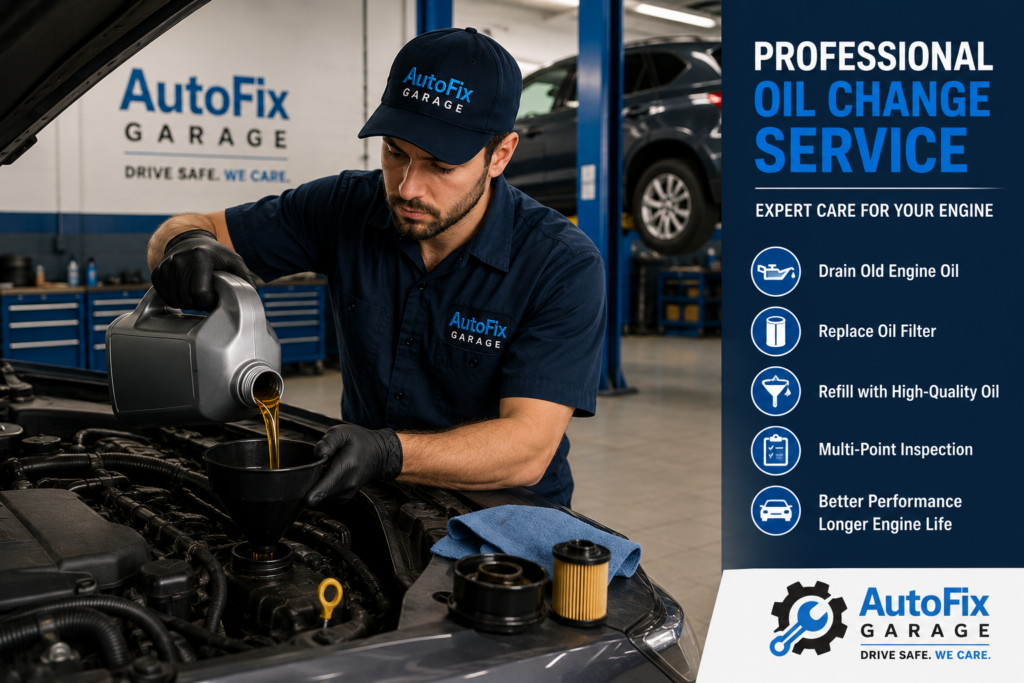
At AutoFix Garage, we understand that regular maintenance is essential for keeping your engine in peak condition. Our experienced technicians provide professional oil change services, thorough inspections, and personalized maintenance recommendations based on your vehicle’s needs. By using high-quality oils and following manufacturer guidelines, we help protect your engine, improve performance, and extend the life of your vehicle.
Our oil change services include:
- Draining old engine oil
- Installing a new oil filter
- Refilling with manufacturer-recommended oil
- Inspecting fluid levels
- Checking for leaks
- Evaluating overall engine condition
Our experienced technicians help drivers stay on schedule and ensure their vehicles receive the proper maintenance required for long-term performance.
We also provide recommendations tailored to your specific vehicle, driving habits, and manufacturer requirements.
Scheduling regular oil change and maintenance services can help extend engine life, improve performance, and prevent costly repairs.
Tips to Maximize Engine Life
In addition to regular oil changes, consider these best practices:
- Check oil levels regularly.
- Follow your maintenance schedule.
- Use the correct oil grade.
- Replace oil filters during service.
- Address leaks immediately.
- Allow the engine to warm up in cold weather.
- Avoid excessive idling.
- Schedule routine inspections.
These habits can significantly improve engine longevity and reliability.
When Should You Schedule Your Next Oil Change?
If you are unsure about your vehicle’s oil change schedule, start by reviewing your owner’s manual.
You should also consider:
- Current mileage
- Time since last oil change
- Driving conditions
- Oil type used
- Manufacturer recommendations
When in doubt, a professional inspection can help determine whether service is needed.
At AutoFix Garage, our team is committed to helping drivers maintain healthy engines through quality maintenance and expert advice.
Conclusion
Knowing how often should you change your engine oil is essential for protecting your vehicle’s engine and maintaining reliable performance. While modern vehicles often allow longer intervals between oil changes, factors such as driving habits, climate, vehicle age, and oil type all play an important role in determining the ideal maintenance schedule.
Regular oil changes help reduce engine wear, improve fuel efficiency, prevent costly repairs, and extend the lifespan of your vehicle. By following manufacturer recommendations and paying attention to warning signs, drivers can keep their engines operating smoothly for years to come.
If you’re unsure whether your vehicle is due for service, the professionals at AutoFix Garage are ready to help with expert oil change services and comprehensive vehicle maintenance designed to keep your car running at its best.