
7 Warning Signs of Tire Wear can indicate serious safety concerns, reduced vehicle performance, and increased operating costs if left unaddressed. Your tires are the only part of your vehicle that makes direct contact with the road, making them one of the most important components for safety, handling, and fuel efficiency.
At AutoFix Garage, we frequently help drivers identify tire-related issues before they lead to costly repairs or dangerous driving conditions. Many vehicle owners don’t realize their tires are wearing unevenly or approaching replacement until a problem becomes obvious. Unfortunately, by that point, tire damage may already be affecting vehicle performance and safety.
Tires naturally wear over time, but certain wear patterns can signal problems with alignment, suspension, tire pressure, or driving habits. Understanding the warning signs allows you to take corrective action early, extend tire life, improve fuel economy, and maintain safe driving conditions.
In this guide, we’ll explore the 7 warning signs of tire wear, their common causes, and what you can do to keep your tires performing at their best.
Why Tire Health Matters
Tires are responsible for maintaining contact between your vehicle and the road surface under all driving conditions. Whether you’re accelerating, braking, or turning, your tires play a vital role in vehicle control and stability.
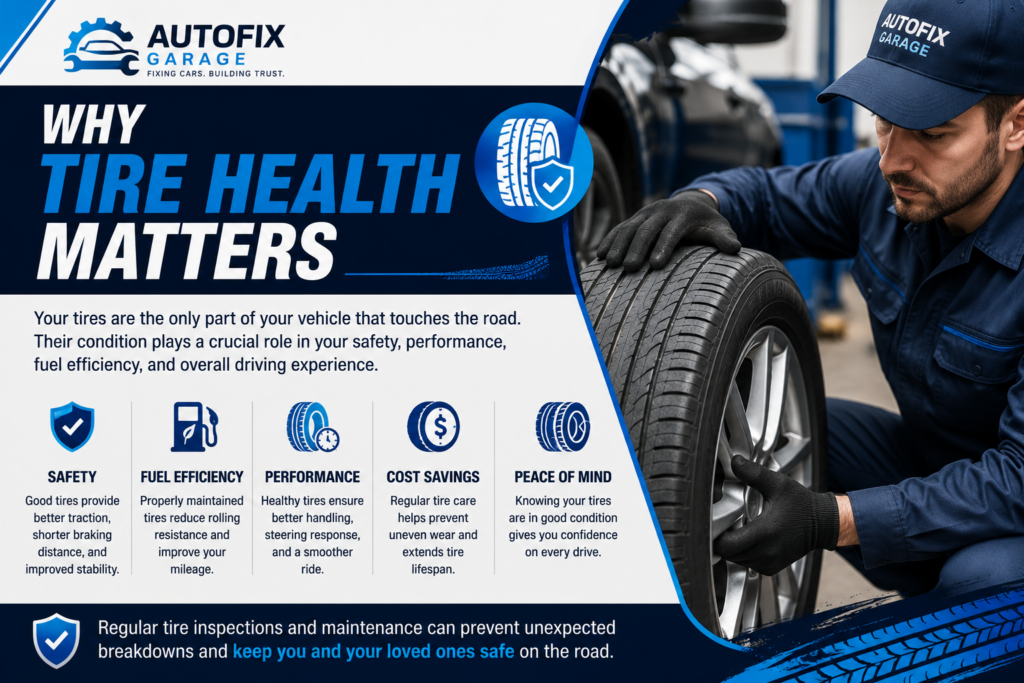
Regular tire maintenance plays a critical role in road safety. The National Highway Traffic Safety Administration Tire Safety Guide provides valuable information about tire care, inspections, and safe driving practices. Ignoring tire health can lead to reduced traction, poor fuel efficiency, and costly repairs. Before discussing the warning signs, it’s important to understand why tire maintenance is essential.
Your tires directly influence:
- Vehicle stability
- Braking performance
- Steering response
- Fuel efficiency
- Driving comfort
- Road safety
When tires become worn or damaged, your vehicle’s ability to handle emergency situations decreases significantly. Poor tire condition can increase stopping distances, reduce traction in wet weather, and make your vehicle more difficult to control.
Regular tire inspections and maintenance are among the simplest and most effective ways to protect yourself, your passengers, and other drivers on the road.
1. Low Tread Depth
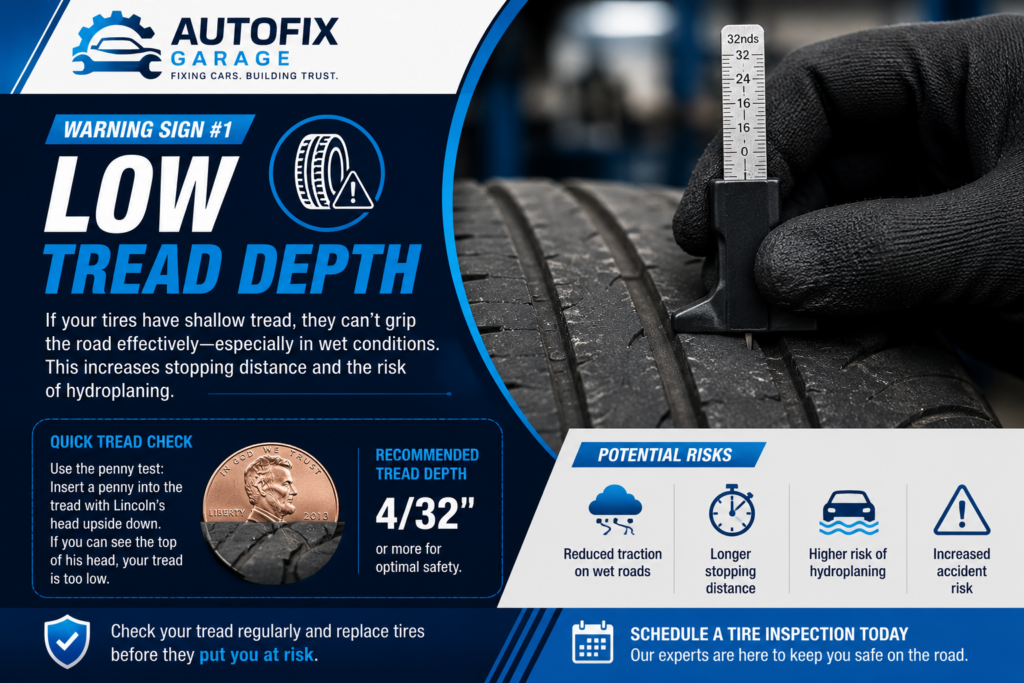
7 Warning Signs of Tire Wear often begin with reduced tread depth, one of the most common indicators that your tires are nearing the end of their service life. Tread is responsible for maintaining traction between your tires and the road surface. As tread wears down, the tire’s ability to grip the road decreases.
Common Signs of Low Tread:
- Tires appear smooth
- Reduced traction in rain
- Increased stopping distance
- Poor handling on wet roads
- More frequent hydroplaning
Why It Matters
Deep tread grooves help channel water away from the tire. When tread becomes too shallow, water cannot escape efficiently, increasing the risk of hydroplaning and loss of control.
What You Should Do
Inspect tread depth regularly. If tread depth approaches legal minimum limits or shows significant wear, schedule a tire replacement immediately. At AutoFix Garage, we recommend routine tire inspections to ensure adequate tread remains for safe driving.
2. Uneven Tire Wear
7 Warning Signs of Tire Wear also include uneven tread patterns, which often indicate underlying mechanical problems. Healthy tires should wear evenly across the entire tread surface. Uneven wear usually suggests issues that require professional attention.
Common Wear Patterns
Inner Edge Wear
Often caused by:
- Improper wheel alignment
- Suspension issues
Outer Edge Wear
Commonly caused by:
- Underinflated tires
- Alignment problems
Center Wear
Usually caused by:
- Overinflated tires
Why It Matters
Uneven tire wear shortens tire lifespan and negatively affects handling, braking, and overall safety.
What You Should Do
Have your alignment, suspension, and tire pressure checked regularly to prevent premature wear. Tire condition and braking performance work together to keep you safe on the road. Discover the 5 Signs You Need Brake Repair Immediately before minor issues become major safety concerns.
3. Cracks in the Tire Sidewall
Small cracks may seem harmless at first, but they often indicate that the rubber is aging or deteriorating. Exposure to heat, sunlight, and harsh weather conditions can accelerate tire aging over time. As cracks become larger, the tire structure weakens and becomes more vulnerable to failure. Routine inspections can help identify sidewall damage before it becomes a serious hazard.
Warning Signs
- Visible cracks
- Dry, brittle rubber
- Sidewall splitting
- Surface deterioration
Causes
- Tire aging
- Excessive sun exposure
- Harsh weather conditions
- Improper tire care
Why It Matters
Sidewall cracks weaken the tire structure and increase the risk of sudden tire failure or blowouts.
What You Should Do
Inspect sidewalls regularly and replace tires showing significant cracking or deterioration.
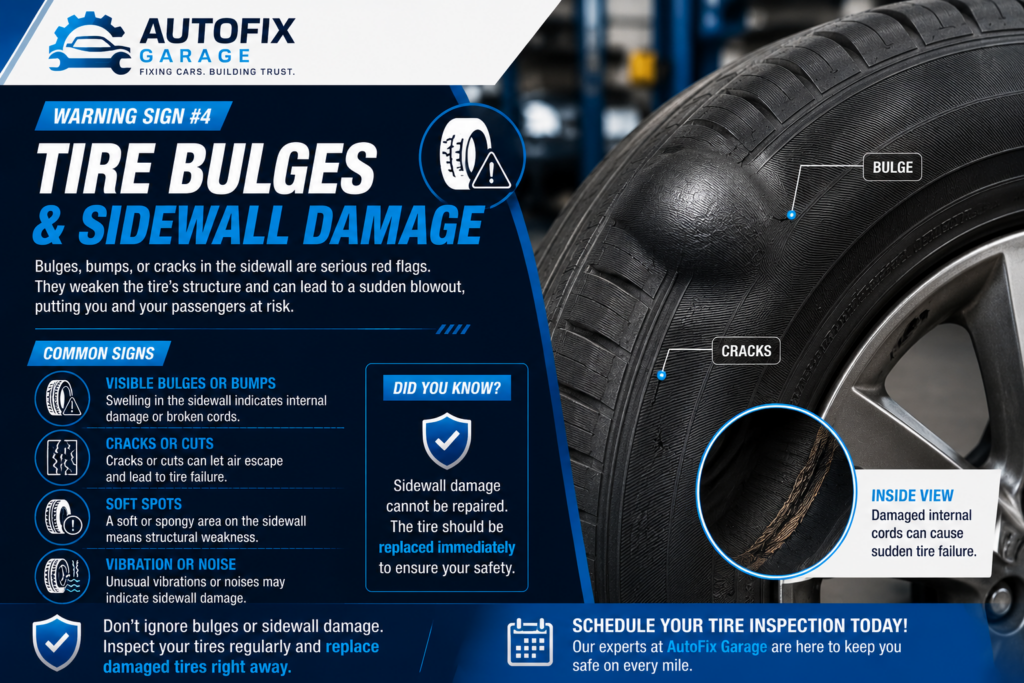
4. Tire Bulges or Blisters
Bulges are a clear indication that the internal structure of the tire has been damaged. They typically develop after impacts from potholes, curbs, or road debris. Since the affected area is weakened, the tire becomes more susceptible to sudden blowouts. Replacing a damaged tire promptly can prevent dangerous roadside emergencies and improve overall vehicle safety.
What Causes Tire Bulges?
Bulges often develop after:
- Striking potholes
- Hitting curbs
- Road impact damage
- Internal tire structure failure
Warning Signs
- Visible swelling on sidewall
- Raised sections on tire surface
- Vibration while driving
Why It Matters
A bulge indicates internal damage to the tire. The weakened area can fail unexpectedly, resulting in a dangerous blowout.
What You Should Do
Do not continue driving on a tire with a bulge. Replace it immediately.
5. Excessive Vehicle Vibration
A smooth ride is often a sign that your tires and wheels are functioning properly. When unusual vibrations occur, they may indicate underlying issues that require attention. Ignoring these symptoms can place additional stress on suspension components and other parts of the vehicle. Identifying the cause early can improve comfort, safety, and tire longevity.
Possible Tire Causes
- Uneven wear
- Tire imbalance
- Internal tire damage
- Flat spots
- Bent wheels
Symptoms
- Steering wheel vibration
- Seat vibration
- Vehicle shaking at higher speeds
Why It Matters
Vibration can indicate problems that affect handling, comfort, and tire longevity.
What You Should Do
Have a professional technician inspect the tires, wheels, and suspension system.
At AutoFix Garage, advanced diagnostic inspections can quickly identify the source of abnormal vibrations.
6. Frequent Loss of Tire Pressure
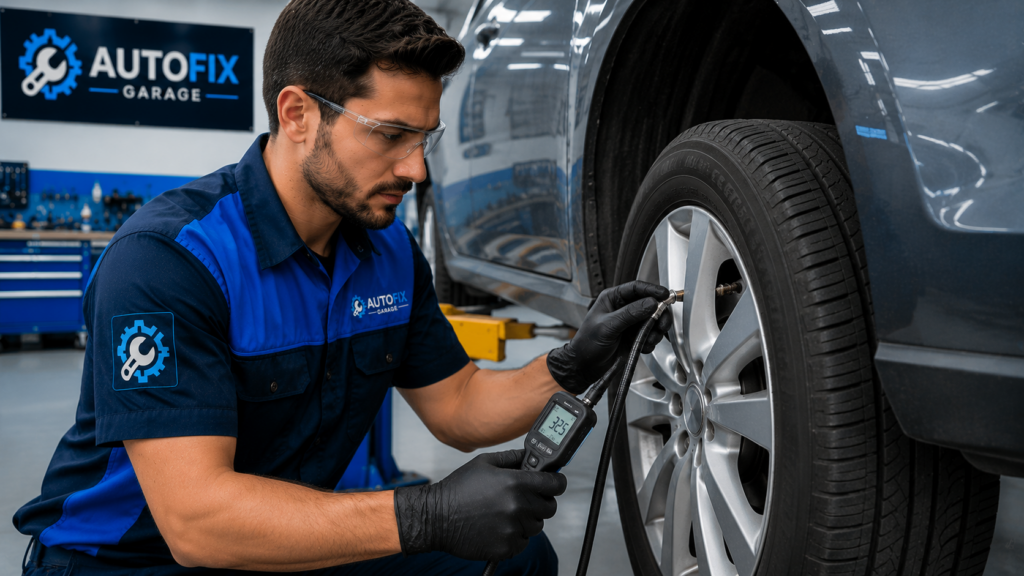
7 Warning Signs of Tire Wear often include tires that repeatedly lose air pressure. A tire that requires frequent inflation should never be ignored. Tires that consistently lose air pressure should never be overlooked. Even a small leak can gradually reduce tire performance and create unsafe driving conditions. Underinflated tires generate excess heat, wear out faster, and reduce fuel efficiency. Regular pressure checks can help drivers detect issues before they become more serious.
Possible Causes
- Small punctures
- Damaged valve stems
- Bead leaks
- Tire aging
- Wheel damage
Warning Signs
- Tire pressure warning light
- Constant need for air
- Uneven tire pressure readings
Why It Matters
Driving on underinflated tires increases:
- Tire wear
- Fuel consumption
- Heat buildup
- Blowout risk
What You Should Do
Check tire pressure monthly and address any pressure loss immediately.
7. Tires Older Than Recommended Age
Many drivers focus only on tread depth and overlook tire age. Even if tread appears acceptable, older tires can become unsafe due to rubber deterioration.
How Long Do Tires Last?
Most manufacturers recommend monitoring tires carefully after six years and replacing them around ten years regardless of tread condition.
Why Tires Age
- UV exposure
- Temperature changes
- Moisture
- Oxidation
Warning Signs of Aging Tires
- Cracks
- Hard rubber texture
- Reduced grip
- Sidewall deterioration
What You Should Do
Check the DOT manufacturing date on your tires and replace aging tires when necessary.
Common Causes of Premature Tire Wear
Understanding what causes tires to wear prematurely can help drivers avoid unnecessary expenses and improve tire lifespan. Many tire issues develop gradually and often go unnoticed until significant wear has already occurred. Regular maintenance and inspections can identify potential problems before they affect performance. Preventive care is the best way to maximize the value of your tires.
Improper Tire Inflation
Both overinflation and underinflation contribute to abnormal wear patterns.
Poor Wheel Alignment
Misaligned wheels cause tires to wear unevenly and reduce handling performance.
Worn Suspension Components
Damaged suspension parts can affect tire contact with the road.
Aggressive Driving
Hard braking, rapid acceleration, and sharp cornering increase tire wear.
Lack of Tire Rotation
Failing to rotate tires regularly results in uneven wear and shorter tire lifespan.
Routine maintenance goes beyond tire care. Understanding How Often Should You Change Your Engine Oil? can help keep your vehicle running efficiently and prevent unnecessary wear.
How to Extend the Life of Your Tires
Extending tire life requires a combination of proper maintenance and responsible driving habits. Simple practices such as maintaining correct tire pressure and rotating tires regularly can make a significant difference. Preventive maintenance not only improves safety but also helps drivers get the most value from their tire investment. Consistency is the key to long-term tire performance.
Check Tire Pressure Monthly
Maintaining recommended tire pressure improves fuel economy and tire life.
Rotate Tires Regularly
Most vehicles benefit from tire rotation every 5,000 to 8,000 miles.
Schedule Wheel Alignments
Routine alignments help prevent uneven wear.
Inspect Tires Frequently
Look for:
- Cracks
- Cuts
- Bulges
- Embedded objects
- Uneven tread wear
Drive Responsibly
Smooth acceleration and braking reduce stress on tires.
Keep Tires Properly Balanced
Balanced tires provide a smoother ride and more even wear. Proper tire maintenance is one of the most effective ways to improve vehicle safety and longevity. Learn more in our guide on How to Extend the Life of Your Vehicle.
The Safety Risks of Ignoring Tire Wear
Driving on worn or damaged tires increases the likelihood of accidents and unexpected tire failures. Poor tire condition can affect braking distance, steering response, and vehicle stability. These risks become even greater during wet or adverse weather conditions. Taking tire wear seriously helps protect both drivers and passengers on every journey. Ignoring tire wear can create serious safety concerns.
Potential consequences include:
- Tire blowouts
- Loss of traction
- Reduced braking performance
- Poor handling
- Hydroplaning
- Increased accident risk
Your tires play a critical role in every aspect of vehicle control. Keeping them in good condition helps protect everyone on the road.
Why Choose AutoFix Garage for Tire Inspections and Maintenance?
At AutoFix Garage, we believe preventive maintenance is the foundation of safe and reliable vehicle ownership. Our technicians carefully inspect tires for wear patterns, pressure issues, and potential safety concerns. We provide honest recommendations and professional service designed to help drivers make informed decisions. Our goal is to keep your vehicle performing at its best while maximizing tire life.
Our experienced technicians provide:
- Tire inspections
- Tire pressure checks
- Tire rotations
- Wheel balancing
- Wheel alignments
- Tire replacement recommendations
- Suspension inspections
We use advanced diagnostic equipment to identify tire-related issues and help drivers avoid costly repairs and unsafe driving conditions. Whether you’re noticing unusual wear patterns or simply want a routine tire inspection, our team is committed to keeping your vehicle safe and road-ready. If you’ve noticed any warning signs of tire wear, don’t wait for the problem to get worse. Schedule a tire inspection today with the experienced team at AutoFix Garage.
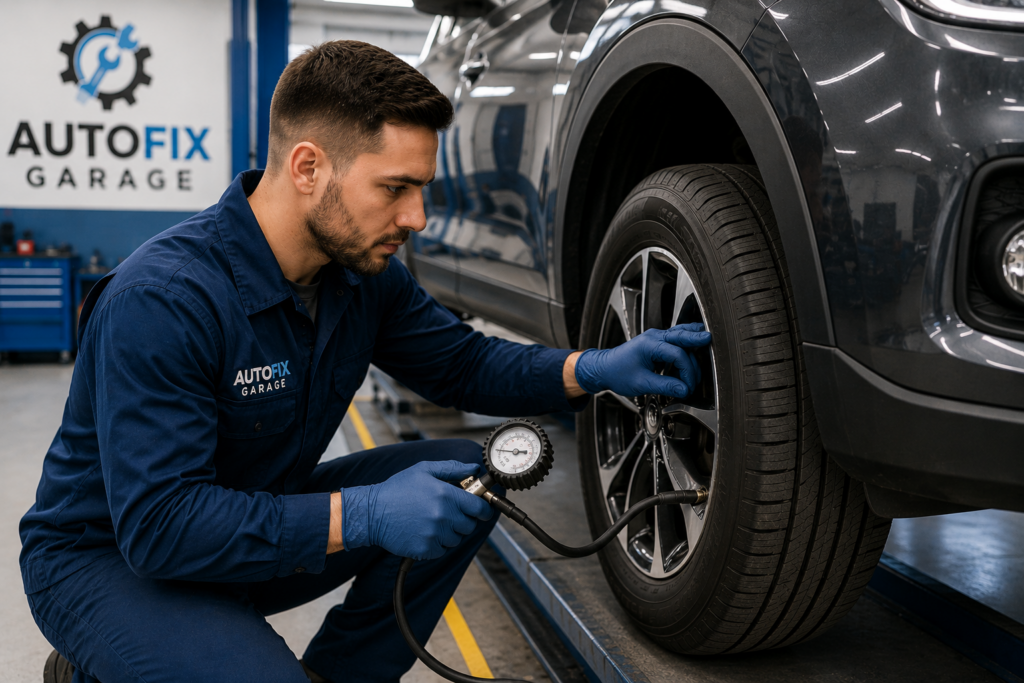
Benefits of Regular Tire Inspections
Regular tire inspections allow small issues to be identified before they become major problems. They help improve safety, enhance fuel efficiency, and ensure even tire wear. Routine inspections can also extend tire lifespan and reduce long-term maintenance costs. Investing a few minutes in tire checks can provide significant benefits throughout the life of your vehicle.
Routine tire inspections provide several advantages:
Improved Safety
Properly maintained tires improve traction and braking performance.
Better Fuel Efficiency
Correct tire pressure reduces rolling resistance.
Longer Tire Life
Regular maintenance helps maximize tire lifespan.
Improved Ride Comfort
Balanced and properly inflated tires provide smoother driving.
Lower Ownership Costs
Preventive maintenance reduces the need for premature tire replacement.
Greater Peace of Mind
Knowing your tires are in good condition makes every journey safer and more enjoyable.
Frequently Asked Questions
1. How often should I inspect my tires?
You should visually inspect your tires at least once a month and before long trips.
2. What is the minimum safe tread depth?
Most experts recommend replacing tires before tread reaches 2/32 of an inch, especially for wet-weather driving.
3. Can uneven tire wear be fixed?
In some cases, correcting alignment or suspension issues can prevent further uneven wear, but severely worn tires may require replacement.
4. How often should tires be rotated?
Most manufacturers recommend tire rotation every 5,000 to 8,000 miles.
5. How do I know if my tires are too old?
Check the DOT date code on the tire sidewall to determine its manufacturing date.
Final Thoughts
7 Warning Signs of Tire Wear should never be ignored. Low tread depth, uneven wear, sidewall cracks, bulges, excessive vibration, frequent pressure loss, and aging tires can all affect your vehicle’s safety and performance.
Regular inspections and preventive maintenance help extend tire life, improve fuel efficiency, and reduce the risk of unexpected tire failure. If you notice any of these warning signs, schedule a professional tire inspection as soon as possible.
At AutoFix Garage, we’re dedicated to helping drivers maintain safe, reliable vehicles through expert tire services, inspections, and preventive maintenance solutions. By staying proactive, you can protect your investment and enjoy greater confidence every time you hit the road.