
Battery Problems Here’s How to Tell is a question many drivers ask only after their vehicle refuses to start. Your car battery is one of the most important components in your vehicle because it provides the electrical power needed to start the engine and operate essential systems. Unfortunately, many battery issues develop gradually, making them easy to overlook until they become serious enough to leave you stranded.
Whether you drive daily for work, take long road trips, or use your vehicle occasionally, understanding the warning signs of battery failure can help you avoid unexpected breakdowns, costly towing services, and inconvenient delays. In this guide, we’ll explain how to recognize battery problems early, what causes them, how to test your battery, and when it’s time for a replacement.
At AutoFix Garage, we understand how frustrating battery-related issues can be. Whether your vehicle is struggling to start, displaying battery warning lights, or experiencing electrical problems, our experienced technicians use advanced diagnostic equipment to identify the root cause and recommend the most effective solution.
Why Your Car Battery Is So Important
Battery Problems Here’s How to Tell begins with understanding the role your battery plays in your vehicle’s operation. Many drivers assume the battery’s only purpose is to start the engine, but it does much more than that. For more information about vehicle battery basics, drivers can refer to resources provided by Battery Council International.
Your battery provides electricity to:
- The starter motor
- Engine control systems
- Interior and exterior lights
- Dashboard electronics
- Power windows and locks
- Audio and navigation systems
- Safety systems and sensors
When the battery starts weakening, these systems may not receive adequate power, leading to performance issues throughout your vehicle.
A healthy battery ensures reliable starts, smooth operation of electronic systems, and proper communication between various vehicle components. Even modern vehicles with advanced charging systems still depend heavily on a strong battery for daily performance.
Common Causes of Battery Problems
Battery Problems Here’s How to Tell often starts with understanding what causes batteries to deteriorate in the first place. Batteries naturally wear out over time, but several factors can accelerate the process.
1. Age and Normal Wear
Every battery has a limited lifespan. Most vehicle batteries last between three and five years under normal driving conditions.
As batteries age:
- Internal components degrade
- Charging efficiency decreases
- Power storage capacity drops
- Starting performance weakens
Even if a battery appears fine externally, internal deterioration may already be occurring.
2. Extreme Temperatures
Weather conditions have a significant impact on battery health.
Hot Weather Effects
Excessive heat can:
- Accelerate chemical reactions
- Cause fluid evaporation
- Damage internal battery plates
- Shorten battery lifespan
Cold Weather Effects
Low temperatures can:
- Reduce battery efficiency
- Slow chemical reactions
- Increase engine starting resistance
- Reveal existing battery weaknesses
Many battery failures occur during seasonal weather changes because temperature extremes place additional stress on aging batteries.
3. Short Driving Trips
Frequent short trips can prevent the battery from fully recharging.
When you drive short distances:
- The alternator has limited time to recharge the battery
- Energy used during startup isn’t fully replaced
- Battery charge gradually decreases
Over time, this repeated pattern can weaken battery performance.
4. Leaving Electrical Accessories On
Many battery problems result from simple oversights.
Examples include:
- Headlights left on overnight
- Interior lights remaining illuminated
- Phone chargers plugged in
- Audio systems operating with the engine off
These accessories continue drawing power and can significantly drain the battery.
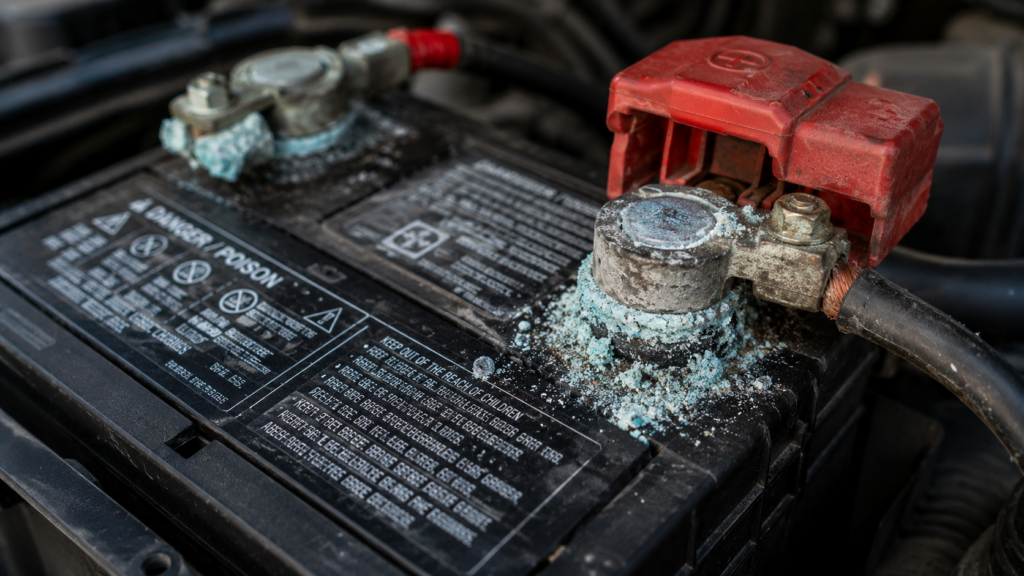
5. Corroded Battery Terminals
Corrosion around battery terminals can interfere with electrical connections.
Corrosion may cause:
- Starting difficulties
- Reduced charging efficiency
- Voltage drops
- Electrical system malfunctions
Regular inspections can help identify corrosion before it creates larger problems.
Warning Signs of a Failing Battery
Battery Problems Here’s How to Tell becomes much easier when you know what warning signs to watch for. Batteries rarely fail without providing clues beforehand. Battery and charging system issues may sometimes trigger dashboard warning lights alongside the check engine light.

1. Slow Engine Cranking
One of the earliest indicators of battery trouble is slow engine cranking.
You may notice:
- The engine takes longer to start
- Cranking sounds weaker than normal
- Multiple attempts are needed before startup
If your vehicle consistently starts more slowly than usual, the battery may be losing its ability to deliver adequate power.
2. Dim Headlights
Headlights can reveal battery health issues.
Signs include:
- Lights appearing dimmer than usual
- Brightness fluctuating unexpectedly
- Interior lights fading during startup
A weakening battery often struggles to provide consistent electrical power.
3. Dashboard Warning Lights
Modern vehicles monitor battery and charging system performance.
Warning indicators may include:
- Battery warning light
- Charging system alerts
- Electrical system notifications
These warnings should never be ignored because they often indicate developing electrical problems.
4. Clicking Sound When Starting
A clicking noise during startup is a common symptom of battery trouble.
This usually means:
- The battery lacks sufficient voltage
- The starter motor isn’t receiving adequate power
- Electrical connections may be weak
If clicking occurs repeatedly, battery testing should be performed as soon as possible.
5. Electrical Accessories Acting Unusually
A weak battery can affect multiple systems simultaneously.
You might experience:
- Slow power windows
- Flickering dashboard lights
- Audio system interruptions
- Malfunctioning electronic features
These symptoms often appear before complete battery failure.
6. Frequent Jump Starts
Needing regular jump starts is a clear warning sign.
While a single dead battery may result from accidentally leaving lights on, repeated jump starts indicate an underlying issue.
Possible causes include:
- Battery deterioration
- Charging system problems
- Electrical drains
- Corroded connections
Professional diagnosis can identify the root cause.
How to Test Your Battery
Battery Problems Here’s How to Tell often requires simple testing procedures to confirm battery condition.
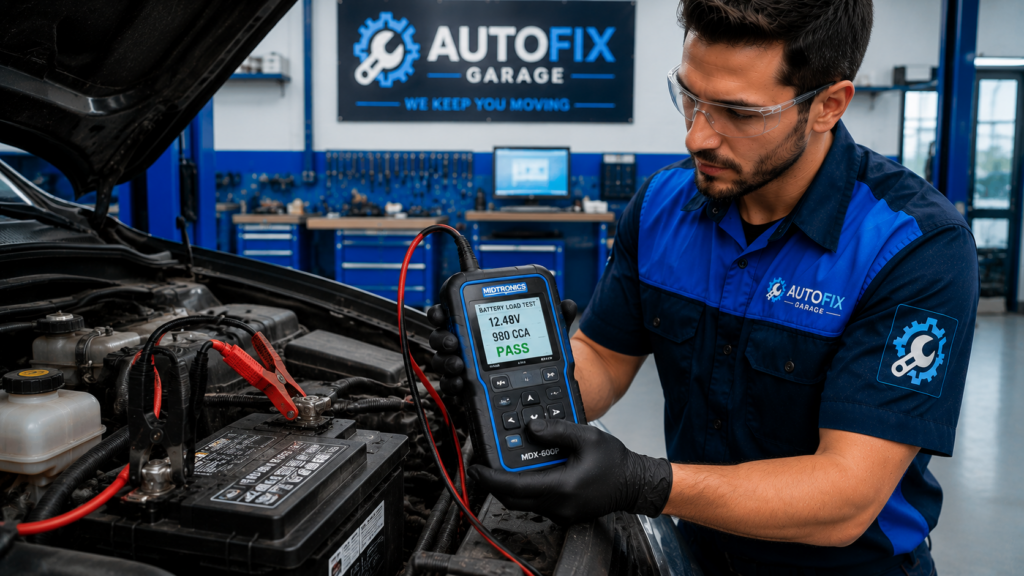
1. Visual Inspection
Start with a basic visual examination.
Look for:
- Corrosion around terminals
- Cracked battery casing
- Swelling or bulging
- Fluid leaks
- Loose connections
Any visible damage should be addressed immediately.
2. Check Battery Voltage
Battery voltage provides valuable information about battery health.
Generally:
- 12.6 volts or higher indicates a fully charged battery
- 12.4 volts indicates partial charge
- Below 12.2 volts suggests a weak battery
Voltage readings should be taken with the engine off for accurate results.
3. Load Testing
Load testing evaluates battery performance under real operating conditions.
This test measures:
- Voltage retention
- Starting power
- Overall battery capacity
Professional load testing provides one of the most accurate assessments of battery health.
4. Professional Battery Inspection
Automotive technicians use specialized diagnostic equipment to evaluate:
- Battery condition
- Charging system performance
- Alternator output
- Electrical system integrity
Professional testing can identify problems before they lead to complete failure.
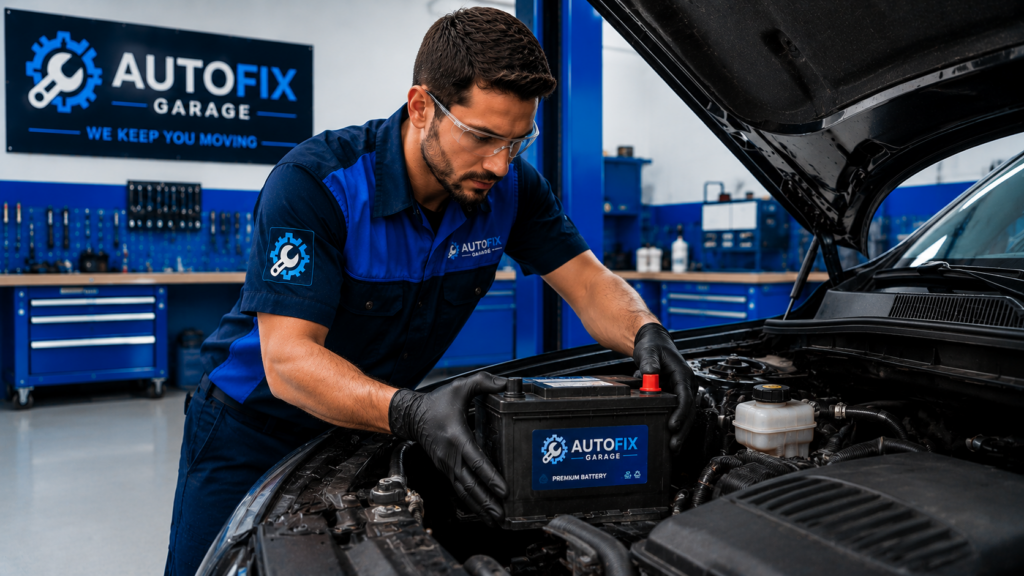
Signs Your Battery Needs Immediate Replacement
Battery Problems Here’s How to Tell becomes urgent when certain symptoms appear.
Battery Is More Than Five Years Old
Even if performance seems acceptable, older batteries become increasingly unreliable.
Preventive replacement may help avoid:
- Unexpected breakdowns
- Starting failures
- Emergency service calls
Visible Battery Damage
Physical damage should never be ignored.
Replace the battery if you notice:
- Cracks
- Bulging sides
- Leaking fluid
- Severe corrosion
Damaged batteries may become unsafe and unreliable.
Consistent Starting Problems
Repeated starting difficulties usually indicate declining battery performance.
If issues persist despite charging:
- Battery capacity may be exhausted
- Internal components may be failing
- Replacement is often the best solution
Battery Fails Testing
Professional diagnostic results provide reliable guidance.
If testing confirms reduced capacity or poor performance, replacement is recommended before complete failure occurs.
How to Extend Battery Life
Battery Problems Here’s How to Tell also involves learning how to prevent issues before they develop.
Drive Your Vehicle Regularly
Regular driving helps maintain battery charge levels.
Benefits include:
- Improved charging cycles
- Reduced discharge risk
- Better battery longevity
Vehicles that sit unused for extended periods often experience battery deterioration.
Keep Battery Terminals Clean
Clean terminals promote efficient electrical flow.
Maintenance steps include:
- Inspecting regularly
- Removing corrosion
- Tightening connections
- Applying protective terminal coatings
Proper maintenance improves reliability.
Avoid Excessive Accessory Use
Using electronics with the engine off places additional strain on the battery.
Try to limit:
- Extended radio use
- Phone charging sessions
- Interior lighting usage
- Accessory operation when parked
Schedule Routine Battery Inspections
Regular inspections help identify issues early.
Benefits include:
- Early problem detection
- Improved reliability
- Longer battery life
- Reduced breakdown risk
Battery inspections can easily be included in routine maintenance visits. Want to extend the life of your vehicle? Regular maintenance and timely inspections can help prevent costly repairs and improve long-term reliability.
The Difference Between Battery Problems and Alternator Problems
Battery Problems Here’s How to Tell can sometimes be confused with alternator issues because both affect vehicle electrical systems.
Battery Failure Symptoms
Common battery-related signs include:
- Slow cranking
- Clicking sounds
- Difficulty starting
- Need for jump starts
Alternator Failure Symptoms
Alternator issues may cause:
- Battery warning lights
- Dimming lights while driving
- Electrical failures
- Battery repeatedly losing charge
Because the alternator charges the battery, problems with either component can create similar symptoms.
Professional diagnostics can determine which component requires attention.
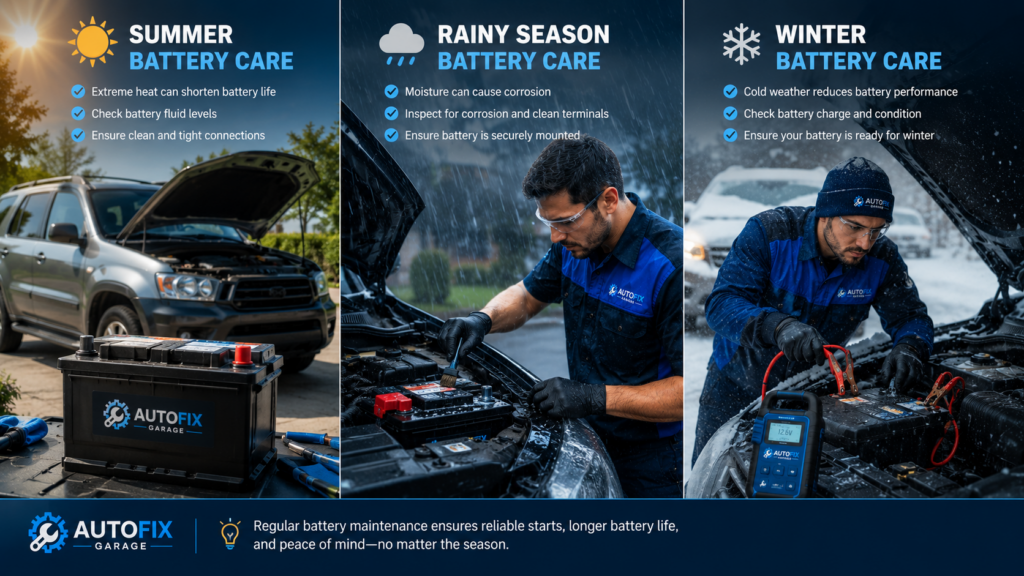
Seasonal Battery Care Tips
Battery Problems Here’s How to Tell often become more noticeable during seasonal weather changes. Extreme temperatures, humidity, and varying driving conditions can all impact battery performance. Taking a few preventive measures throughout the year can help extend battery life and reduce the risk of unexpected breakdowns.
Rainy Season Battery Care
Rainy weather can affect battery performance and electrical connections.
Helpful practices include:
- Inspecting battery terminals for corrosion
- Keeping battery connections clean and secure
- Checking for moisture around electrical components
- Testing battery performance before the rainy season
- Monitoring dashboard battery warning lights
- Scheduling routine battery inspections
This keeps the formatting consistent with:
Summer Battery Care
Hot weather can accelerate battery deterioration.
Helpful practices include:
- Parking in shaded areas
- Scheduling battery inspections
- Checking fluid levels when applicable
- Monitoring charging performance
Winter Battery Care
Cold temperatures place additional stress on batteries.
Helpful practices include:
- Testing battery health before winter arrives
- Cleaning battery terminals regularly
- Driving regularly to maintain battery charge
- Replacing weak batteries proactively
- Checking charging system performance
What Happens If You Ignore Battery Problems?
Battery Problems Here’s How to Tell is information every driver should know because ignoring battery warnings can lead to more serious consequences.
Potential outcomes include:
- Vehicle refusing to start
- Being stranded unexpectedly
- Towing expenses
- Missed appointments
- Increased stress and inconvenience
In some cases, battery issues may also affect sensitive electronic systems and vehicle performance.
Addressing warning signs early is almost always less expensive and less disruptive than dealing with complete battery failure.
When Should You Schedule a Battery Inspection?
Battery Problems Here’s How to Tell is a topic that becomes easier to manage when inspections are performed proactively rather than reactively.
Consider scheduling a battery inspection if:
- Your battery is over three years old
- You notice slower engine starts
- Dashboard battery warnings appear
- Electrical systems behave unusually
- You are preparing for seasonal temperature changes
- You’re planning a long road trip
Routine inspections help ensure dependable vehicle operation and reduce the likelihood of unexpected breakdowns.
Why Choose AutoFix Garage for Battery Services?
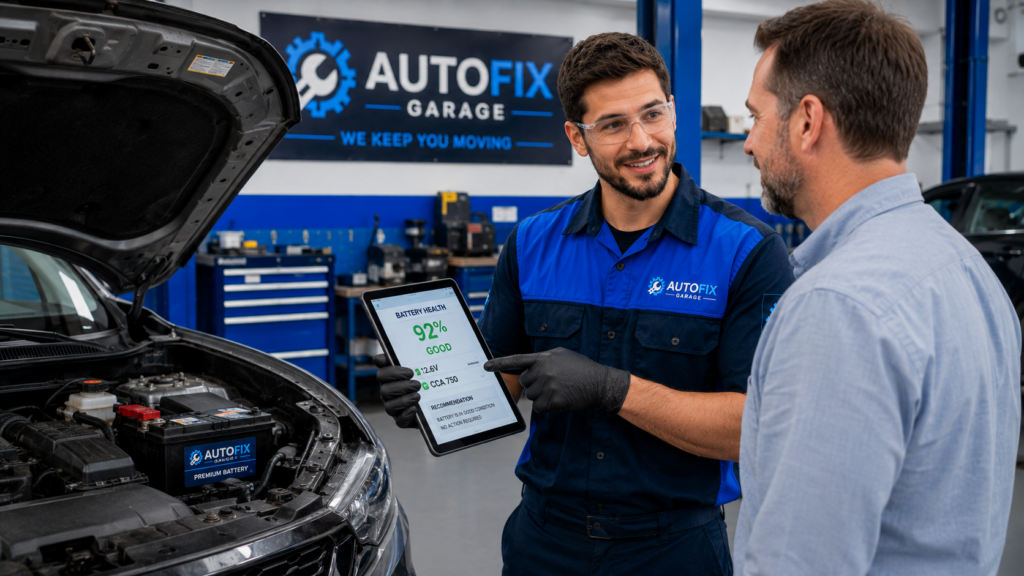
Battery Problems Here’s How to Tell is important, but having a trusted repair shop to diagnose and fix battery issues is just as important. At AutoFix Garage, our experienced technicians provide professional battery testing, charging system inspections, and reliable battery replacement services to help keep your vehicle running smoothly.
We use advanced diagnostic equipment to identify battery and electrical system problems accurately, helping prevent unexpected breakdowns and costly repairs. Whether your vehicle needs a routine battery check or a complete replacement, you can count on AutoFix Garage for honest recommendations, quality service, and dependable automotive care.
Our Battery Services Include:
- Battery testing and inspection
- Battery replacement
- Charging system diagnostics
- Battery terminal cleaning
- Alternator performance checks
- Preventive maintenance inspections
Don’t wait until your car refuses to start. The experienced technicians at AutoFix Garage can perform a comprehensive battery and charging system inspection to identify problems before they leave you stranded. Visit AutoFix Garage today and let our team help keep your vehicle reliable, safe, and ready for the road ahead.
Conclusion
Battery Problems Here’s How to Tell is knowledge that can save drivers from frustrating breakdowns and costly emergency repairs. Your vehicle battery works hard every day, powering essential systems and ensuring reliable engine starts. While batteries naturally wear out over time, recognizing warning signs early allows you to address issues before they become serious.
Pay close attention to symptoms such as slow engine cranking, dim lights, dashboard warnings, clicking sounds, and recurring jump starts. Regular inspections, proper maintenance, and timely battery replacement can significantly improve reliability and help you avoid being stranded unexpectedly.
If you’re experiencing any signs of battery trouble, schedule a professional battery inspection as soon as possible. Identifying problems early is the best way to maintain vehicle performance, protect your electrical system, and enjoy peace of mind every time you turn the key.